
Nitrophila occidentalis
Nitrophila occidentalis
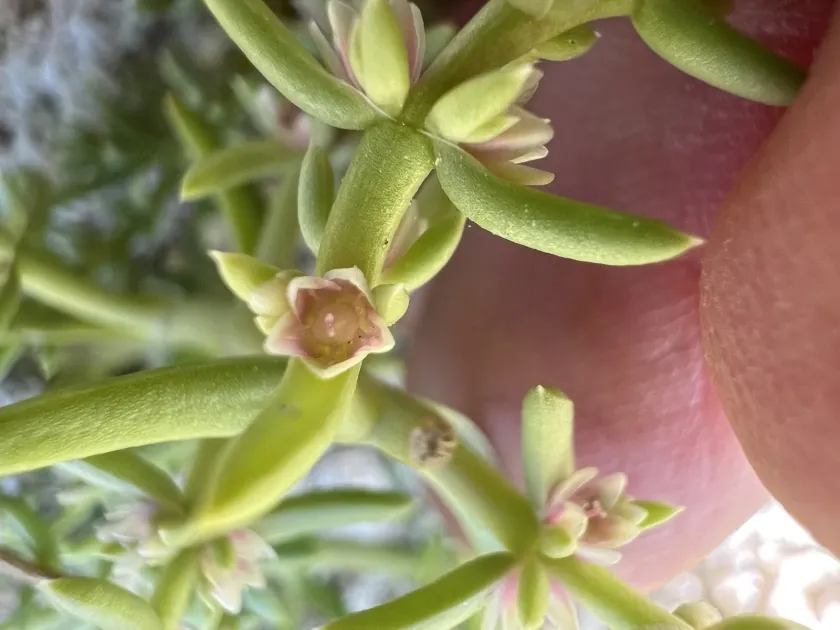
Description
Growing requirements
Nitrophila occidentalis is a perennial herbaceous plant belonging to the Amaranthaceae family. Known for its remarkable salt tolerance, this species is specifically adapted to environments with high saline content and alkaline soil conditions.
The plant originates from the western regions of North America, typically inhabiting salt marshes, alkaline meadows, and the borders of saline lakes. Its geographical distribution reflects its unique evolutionary success in environments that are largely inhospitable to traditional crops.
Botanically, Nitrophila occidentalis is characterized by creeping rhizomes and succulent, opposite leaves. This structure is essential for water retention, allowing the plant to thrive even when soil water potential is low due to high salt concentrations.
The cultivation of this plant requires specific environmental conditions, primarily intense sunlight and high-saline soils. Unlike many other crops, it does not require significant soil desalination; instead, it utilizes saline environments to suppress competition from other invasive species.
Agricultural interest in this crop centers on its potential for soil stabilization and reclamation of saline agricultural lands. By covering the soil surface, it reduces wind erosion and improves the physical structure of salt-stressed fields.
Main diseases and pests
The primary threats to Nitrophila occidentalis include fungal pathogens that thrive in moist, saline conditions, particularly root rot diseases. Poor soil drainage can exacerbate these issues and lead to significant loss of plant stands.
Various insect pests, including specific types of leaf-eating beetles, can damage the succulent tissues of the plant. Monitoring of pest populations is essential during the active growing season to prevent significant biomass reduction.
Invasive weeds that are capable of tolerating mild salinity can pose a challenge to established stands. It is crucial to manage competition during the early stages of plant development to ensure the crop successfully covers the designated area.
Anthropogenic changes to the hydrology of the area, such as sudden leaching of salts, can weaken the plants and make them susceptible to standard weeds that thrive in non-saline conditions.
Integrated pest management strategies focusing on biological control are recommended to maintain the ecological balance of the saline plots. Avoiding excessive chemical pesticides is vital to preserving the plant's natural adaptation mechanisms.