
Newtonia buchananii
Newtonia buchananii
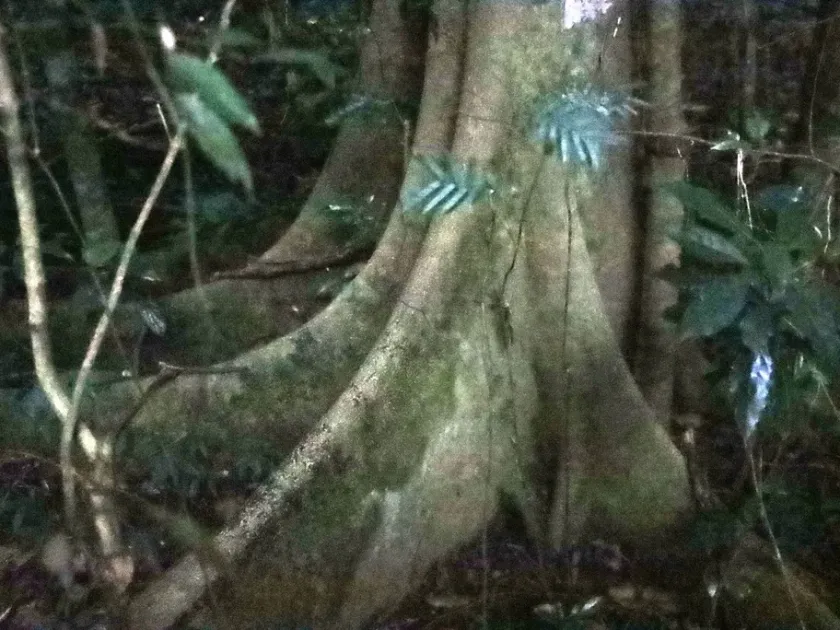
Description
Growing requirements
Newtonia buchananii is a majestic forest tree belonging to the Fabaceae family, native to the Afromontane regions across Eastern and Southern Africa.
The tree thrives in moist mountain forests with deep, well-draining, and nutrient-rich soils. It requires consistent humidity and high levels of rainfall to reach its maximum growth potential.
Environmental requirements for successful cultivation include a tropical climate with moderate temperatures. It is highly sensitive to frost and does not tolerate prolonged dry seasons.
Agrotechnical practices involve careful site selection in high-altitude zones and ensuring optimal seedling spacing for long-term canopy development.
As a nitrogen-fixing legume, it plays a vital role in soil health, making it an excellent candidate for sustainable agroforestry and forest restoration projects.
Yield
The commercial value of Newtonia buchananii is primarily driven by its high-quality timber, which is highly sought after for its durability and aesthetic appeal.
Mature specimens can reach significant dimensions, with heights exceeding 40 meters, providing a substantial volume of premium lumber per individual tree.
Timber production is sustainable when managed under selective harvesting practices, ensuring that the forest can regenerate while providing ongoing economic returns.
The wood is frequently utilized for high-end carpentry, interior joinery, and durable outdoor structures, reflecting its mechanical strength and resistance to decay.
Secondary economic benefits include the provision of shade for shade-grown crops and contribution to regional biodiversity conservation efforts.
Main diseases and pests
The primary threats to Newtonia buchananii include habitat loss due to agricultural expansion and unregulated timber extraction in vulnerable mountainous regions.
Pathogenic fungi are a significant concern, particularly in plantations where soil moisture management is poor, leading to root rot and vitality loss.
Insect pests, including various wood-boring beetles, pose a direct threat to timber quality, necessitating vigilant monitoring during the growth cycle.
Climate change, manifesting in erratic rainfall patterns and increased heat, stresses the trees and reduces their natural resilience against localized diseases.
- Implementation of forest management plans
- Regular health assessments of stands
- Integrated pest management strategies
- Sustainable reforestation initiatives