
Alabama snow-wreath
Neviusia alabamensis
Description
Growing requirements
Alabama snow-wreath (Neviusia alabamensis) is a distinctive deciduous shrub belonging to the Rosaceae family. Native to the southeastern United States, this plant naturally thrives in rich, moist woodland areas and rocky slopes, where it benefits from high organic content in the soil.
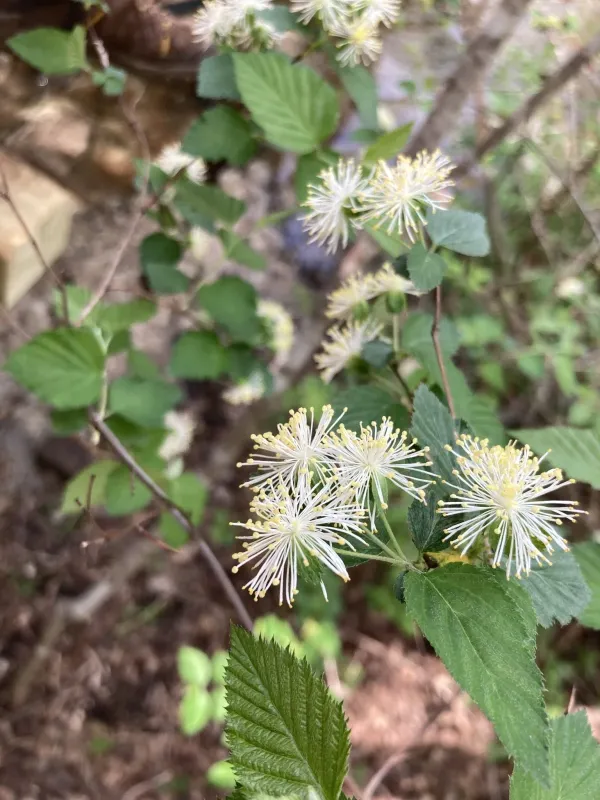
The botanical highlight of this species is its unique floral structure: the flowers lack petals and instead feature a dense, fluffy display of white stamens. This distinctive appearance gives the plant its common name and makes it a highly sought-after specimen for ornamental landscapes.
Optimal growth conditions require fertile, well-drained soil with a slightly acidic to neutral pH level. While the shrub exhibits resilience, it prefers environments that provide consistent moisture during the active growing season, especially when young plants are establishing their root systems.
The plant is adapted to moderate climates and shows decent winter hardiness. However, in regions experiencing harsh freezing temperatures, protective mulching around the base is recommended to ensure the longevity and health of the shrub through the winter months.
In landscaping, it is utilized as an attractive feature plant or a backdrop element in shaded or partially shaded areas. Its ability to thrive in woodland settings makes it an excellent choice for naturalistic garden designs that aim for year-round structural interest.
Main diseases and pests
The primary threats to the health of Alabama snow-wreath include fungal infections, which often occur in poorly drained soils or conditions with excessive moisture and limited airflow.
Pests typical of the Rosaceae family, including aphids and spider mites, may target the plant during hot and dry spells, potentially weakening the foliage if left unmanaged.
Good cultural practices, such as proper spacing to ensure air circulation and diligent removal of dead branches, significantly reduce the risk of pathogen accumulation within the canopy.
Monitoring the plant for signs of stress is essential. If infestations are observed, targeted applications of insecticidal soaps or horticultural oils are often sufficient to control pest populations.
Maintaining soil health through appropriate fertilization and regular mulching helps the plant withstand potential environmental stresses, making it less susceptible to secondary infections or severe pest attacks.