
Nesogordonia papaverifera
Nesogordonia papaverifera
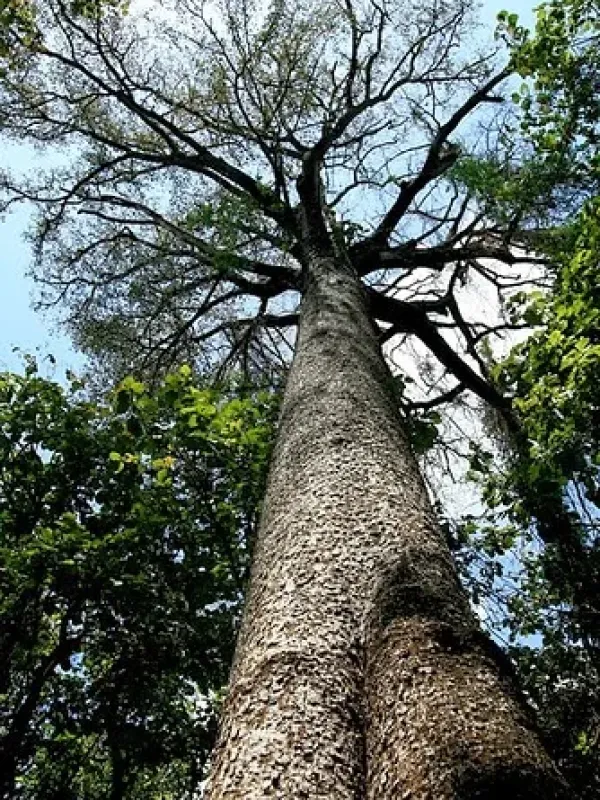
Description
Growing requirements
Nesogordonia papaverifera, commonly known in the timber trade as Koto, is a large, evergreen tree belonging to the Malvaceae family. It is native to the tropical rainforests of West and Central Africa.
This species thrives in high-rainfall equatorial climates. The ideal geographical range spans from Sierra Leone to Cameroon, where the trees find the deep, moist soil conditions necessary for healthy growth.
For cultivation, the species requires fertile, well-draining soils. It is particularly sensitive to waterlogging, which necessitates careful site selection on well-drained terrain within forest management plans.
Botanically, the tree features a straight, cylindrical trunk that is highly prized by the woodworking industry. It grows naturally in the canopy layer of tropical forests, often reaching significant heights.
Agrotechnical management includes controlling planting density to encourage vertical growth and preventing overcrowding, which ensures the development of high-quality timber without excessive branching defects.
Yield
The primary economic value of Nesogordonia papaverifera lies in its timber, which is known for its light yellow or creamy color and uniform grain, making it excellent for decorative applications.
Commercial maturity is typically reached between 40 and 60 years of age. At this stage, the trees yield substantial quantities of high-quality lumber suitable for export and local manufacturing.
Koto wood is widely utilized in furniture making, high-end cabinet work, and interior joinery. Its workability with standard tools makes it a favored material among woodworkers and furniture designers.
Sustainable forestry practices are essential for maintaining yield levels over long cycles. Proper silvicultural management ensures that the timber meets international quality standards for density and strength.
The global demand for Koto wood keeps it as a significant commercial species for reforestation programs in the African region, providing a balance between economy and environmental restoration.
Main diseases and pests
Major threats to the species include wood-boring insects that target the trunk, potentially reducing the timber quality and overall health of the tree if infestations are not addressed.
Fungal diseases related to root rot can occur if the soil drainage is inadequate or if there is excessive moisture accumulation around the base of the tree in poorly managed plots.
Deforestation and habitat fragmentation pose severe threats to the natural regeneration of the species. Protecting the integrity of the rainforest is crucial for the long-term survival of the population.
Preventative measures involve regular phytosanitary inspections to detect early signs of pest outbreaks or disease, allowing for timely intervention in dense forest stands.
Effective forestry management must also account for climate variability, which can affect the resilience of young trees against localized pathogens and environmental stress factors.