
Neoglaziovia variegata
Neoglaziovia variegata
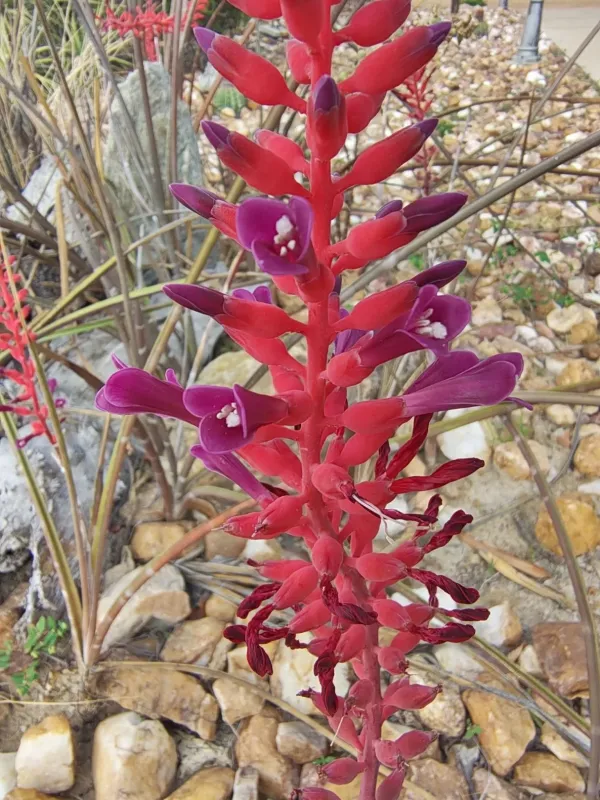
Description
Sowing dates
The propagation of Neoglaziovia variegata is primarily carried out through vegetative reproduction using offsets, which the plant produces abundantly around the base of the main rosette. To establish a new plantation, healthy offsets are selected and planted at the beginning of the rainy season to ensure rapid root establishment.
Seed propagation is also possible but is rarely used in commercial farming due to the slow initial growth rate of seedlings. When using seeds, it is crucial to maintain a warm environment with a steady temperature of around 25 degrees Celsius, providing consistent moisture until the plants are strong enough for transplanting.
Optimal planting spacing is essential for the healthy development of this crop. Typically, plants should be spaced at least 40 to 50 centimeters apart, which facilitates proper air circulation and reduces competition for space and nutrients between the rosettes.
Prior to planting, the soil should be prepared by tilling and adding organic matter to improve aeration. Neoglaziovia prefers well-drained, porous soils. In fields with heavy or compacted soil, it is recommended to build raised beds to prevent waterlogging, which the plant does not tolerate.
During the establishment phase, young plants require regular irrigation. Once the root systems are well-developed, the plants become highly drought-tolerant and resilient. Weed control is essential during the early months to prevent the young plants from being choked by fast-growing grasses.
Growing requirements
Neoglaziovia variegata is a member of the Bromeliaceae family and is endemic to the arid regions of northeastern Brazil. It is naturally adapted to the harsh conditions of the Caatinga, where it thrives in environments with high temperatures and long periods of water scarcity.
For successful cultivation, a tropical or subtropical climate is required, characterized by distinct wet and dry seasons. The plant prefers full sun exposure, which promotes the synthesis of fiber components and strengthens the structural integrity of its long, spiky leaves.
Regarding soil, the plant is not demanding and can survive in poor, rocky, or sandy substrates. However, to maximize fiber yield, nitrogen-based fertilization during the active growing season can significantly improve the growth of the vegetative mass.
Botanically, it is a stemless rosette plant with long, stiff leaves covered in characteristic light-colored scales. The leaf edges are armed with sharp spines, which serves as a natural defense mechanism against herbivores and requires workers to use protective gear during field operations.
The plant's aerial nature necessitates good ventilation. In greenhouse settings, it is vital to prevent stagnant air, as this can lead to humidity accumulation in the leaf axils, potentially fostering fungal diseases that undermine the plant’s health and the quality of the fiber.
Yield
The main agricultural value of Neoglaziovia variegata lies in the high-quality, durable fiber extracted from its leaves. This fiber is renowned for its tensile strength and resistance to mechanical wear, making it a valuable material for producing cords, fishing nets, and handcrafted goods.
Leaves reach technical maturity about two to three years after planting. The harvesting strategy often involves selective removal of the oldest leaves, which allows the plant to continue producing new leaves for years, ensuring a sustainable and long-term yield from the same plot.
Yield capacity per hectare depends on management practices, including density, fertilization, and irrigation. With optimal care, Neoglaziovia can provide a consistent and abundant supply of raw fiber, offering a viable economic alternative for farmers in arid, marginalized regions.
Beyond its fiber production, the plant is increasingly recognized for its ornamental potential. Its variegated leaves and impressive floral stalks make it an excellent choice for landscaping in desert or xeriscaped gardens, where its low water requirement is a significant advantage.
Research into the use of Neoglaziovia fibers in modern composites is expanding, as the industry looks for sustainable, biodegradable alternatives to synthetic materials. This diversification of use could further enhance the profitability of cultivating this robust bromeliad species.
Main diseases and pests
Fungal diseases related to root rot are the most significant threats to Neoglaziovia, particularly in areas with poor drainage. Excessive soil moisture triggers the proliferation of pathogens that can lead to the rapid decline and death of the plant's root system.
Common pests include scale insects and mealybugs, which thrive in the leaf axils. These pests feed on the sap, causing the leaves to yellow and lose their structural integrity, which in turn significantly degrades the quality and tensile strength of the fiber harvested.
Integrated pest management is the preferred approach for controlling these issues. Regular monitoring of the plantation is necessary to catch infestations early. If needed, systemic insecticides or organic alternatives like neem oil can be applied, ensuring thorough coverage of the leaves.
Poor layout and overcrowding can increase the risk of pest outbreaks and humidity-related infections. To mitigate these risks, it is advised to ensure proper spacing and maintain clean pathways between rows, which helps in early detection and prevents the rapid spread of infections.
Sanitary pruning, which involves removing old, diseased, or dead leaves, is essential to keep the plantation healthy. Furthermore, tools used for leaf harvesting must be disinfected regularly to prevent the spread of viral or fungal pathogens between different rosettes.
Harvesting
Harvesting requires significant caution due to the sharp, recurved spines along the leaf margins. Workers must use thick gloves and protective clothing to avoid injuries while cutting the leaves as close to the base as possible without damaging the plant's core.
The harvested leaves undergo a decortication process to separate the fibrous content from the fleshy, succulent leaf tissue. Industrial operations use specialized machinery for this purpose, while traditional methods involve manual scraping with wooden or metal tools to ensure high fiber purity.
After extraction, the fibers must be dried in a well-ventilated area, protected from direct, intense sunlight to prevent fading and brittleness. Proper drying is critical, as residual moisture can lead to mold, which would destroy the quality of the fiber during storage.
The final product is graded based on fiber length, color, and cleanliness. High-grade fiber is clean, uniform in length, and free from any remaining vegetable matter, making it highly desirable for manufacturers of high-strength twine and artisanal products.
Storage should take place in dry, cool, and well-aired conditions. Under these circumstances, Neoglaziovia fiber remains stable for long periods, allowing farmers to wait for optimal market prices before selling their harvest to textile or paper industries.