
Nemum spadiceum
Nemum spadiceum
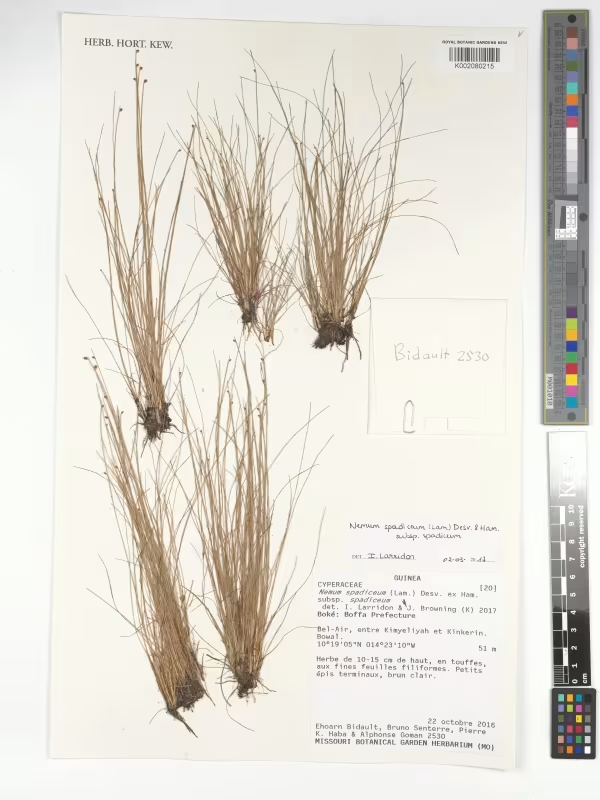
Description
Sowing dates
Sowing time for Nemum spadiceum is strictly dictated by regional climatic conditions and soil warming rates. It is recommended to perform sowing only after the soil has reached a consistent temperature of 12-15 degrees Celsius.
Avoiding early sowing is crucial to prevent seedling vulnerability to frost and delayed germination. Timing should ensure that young plants have enough warmth for rapid establishment.
For those using seedling technology, sowing in controlled indoor conditions 4-6 weeks before the final frost-free date allows for more robust transplant growth. This strategy helps to manage early vegetative development effectively.
The depth of sowing should be managed precisely, usually within 2 to 4 centimeters, depending on soil texture. Proper depth ensures that the seeds are anchored securely while having enough energy to reach the surface.
Field preparation before sowing involves creating a fine tilth, which supports optimal contact between the seed and the moist soil layers, ensuring uniform emergence across the field.
Growing requirements
Nemum spadiceum thrives in high-light environments, requiring full sun exposure to maintain vigorous metabolic activity. Lack of light can lead to spindly growth and diminished overall crop quality.
Well-drained, sandy loam soils with a neutral pH provide the best foundation for this crop. Soil aeration is essential to prevent root suffocation and promote deeper root penetration.
Regular but moderate water supply is vital for Nemum spadiceum. Over-irrigation poses a high risk of root diseases, so a balance that keeps the soil moist but not saturated is preferred.
The optimal temperature range for the active growing phase is between 18 and 25 degrees Celsius. Rapid thermal fluctuations can stress the plant, temporarily slowing down biomass accumulation.
Nutrient management through balanced fertilization is necessary during the vegetative stage. Targeted application of nitrogen and phosphorus helps in developing a strong structural frame for the plant.
Yield
Yield potential of Nemum spadiceum is highly dependent on rigorous adherence to agronomic best practices. Achieving high output requires optimal plant spacing to reduce competition for nutrients.
Controlling weed pressure early in the season is a major driver of yield. Weeds compete for light, water, and essential minerals, directly affecting the final harvest quality.
The implementation of modern irrigation systems, such as drip lines, allows for precise nutrient delivery through fertigation. This maximizes input efficiency and supports consistent yield growth.
Regular scouting for physiological stress factors helps in adjusting agronomic actions in real-time. This precision management allows farmers to maintain a high yield even under slightly variable conditions.
Data suggests that deviation from optimal planting density or nutrient schedules can result in yield drops of up to 30 percent, underscoring the importance of management precision.
Main diseases and pests
Aphids are among the most common pests affecting Nemum spadiceum, damaging tender leaves and reducing plant vigor. Systemic insecticides are often required if biological controls are insufficient.
Fungal diseases, including powdery mildew, frequently occur when air circulation within the canopy is poor. Maintaining proper plant spacing helps to reduce the microclimate humidity that favors pathogens.
Spider mites can be a serious issue during prolonged hot and dry spells. They thrive in dusty, dry conditions, making regular monitoring of leaf surfaces necessary to spot infestations early.
Root rot caused by poor soil drainage and waterlogging is a constant threat. Preventing this requires diligent soil management and the avoidance of over-watering during the early stages.
- Aphids
- Powdery mildew
- Spider mites
- Root rot
Harvesting
Harvesting Nemum spadiceum is ideally timed when the plant reaches physiological or technical maturity. Precise timing ensures that the crop meets quality standards for the market.
Performing harvests in dry, clear conditions is essential to minimize the risk of post-harvest decay. Moisture on the plants during harvesting can significantly lower the shelf life of the product.
Post-harvest handling should be immediate, involving gentle cleaning and sorting to remove any damaged parts. Careful transport prevents bruising, which is a major contributor to spoilage.
Storage facilities must be maintained at a cool, constant temperature with adequate ventilation to ensure longevity. Proper environmental controls help preserve the quality of the produce.
Utilizing appropriate ventilated packaging helps to maintain optimal freshness during the distribution process. This ensures that the produce remains in top condition until it reaches the end user.