
Nemastylis tenuis
Nemastylis tenuis
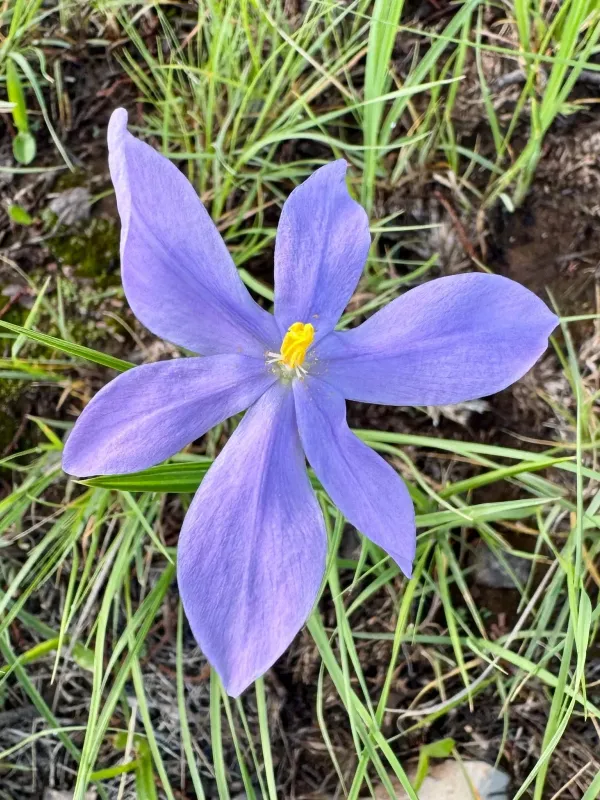
Description
Sowing dates
The planting of Nemastylis tenuis is ideally carried out during the autumn months when the soil temperature begins to drop. This timing allows the bulbs to establish a healthy root system before the onset of the dormant winter period.
Selection of high-quality bulbs is essential for success. They should be firm, free of blemishes, and show no signs of rot. Planting depth should be approximately 5 to 8 centimeters, which provides sufficient protection for the bulb against temperature fluctuations.
In colder regions, it is recommended to apply a layer of mulch, such as organic compost or dried leaves, over the planting site. This insulation layer helps stabilize soil temperatures and protects the bulbs from severe frost damage.
Spacing between plants should be maintained at 10 to 15 centimeters. This distance is sufficient to prevent overcrowding, which allows for better air circulation around the foliage and reduces the likelihood of humidity-related problems.
Upon planting, a light initial watering is beneficial to settle the soil around the bulbs. This moisture triggers early physiological processes that prepare the bulb for successful sprouting in the following spring season.
Growing requirements
Nemastylis tenuis belongs to the Iridaceae family and has specific habitat requirements. It thrives in well-lit, sunny areas. Exposure to direct sunlight is crucial for the development of strong stems and vibrant, healthy foliage during the growing season.
The soil structure must be exceptionally well-drained. This plant is highly sensitive to waterlogged conditions, which often result in bulb rot. Adding coarse sand or gravel to the planting medium can significantly improve soil drainage.
The ideal soil is sandy or loamy with a neutral to slightly acidic pH. Incorporating organic matter into the soil helps provide the necessary nutrients while maintaining the loose, airy structure that this bulbous plant prefers for root expansion.
Climatic requirements focus on mild to warm growing conditions. While the plant can handle some coolness, it is sensitive to extreme heat and prolonged moisture. Therefore, it is best grown in climates where the summer is balanced and not excessively humid.
Watering should be consistent but moderate. During the peak of the growing season, ensure the top layer of soil dries out slightly before the next watering session. Excessive irrigation is a common cause of failure for this specific species.
Main diseases and pests
Fungal pathogens are the primary concern for Nemastylis tenuis, particularly those that target the bulb. Overwatering creates the perfect environment for rot-causing fungi, which can destroy the root system very rapidly if not managed.
Soil-dwelling pests, such as wireworms, can damage the underground parts of the plant. Such physical damage creates entry points for secondary infections, which further weakens the plant and decreases its overall survival rate.
Foliage-feeding pests like aphids and thrips can also impact the health of the plant. These insects suck sap from the leaves, causing wilting and potentially transmitting harmful plant viruses that can significantly reduce the vitality of the bulb.
Integrated pest management, involving the use of appropriate systemic fungicides and insecticides, is recommended. Regular monitoring of the plants allows for early detection, enabling the gardener to act before a localized infestation becomes widespread.
Maintaining a weed-free environment and ensuring good sanitation around the planting bed are vital cultural practices. By removing debris and controlling nearby host weeds, one can effectively reduce the population density of potential pests and pathogens.