
Nelsonia canescens
Nelsonia canescens
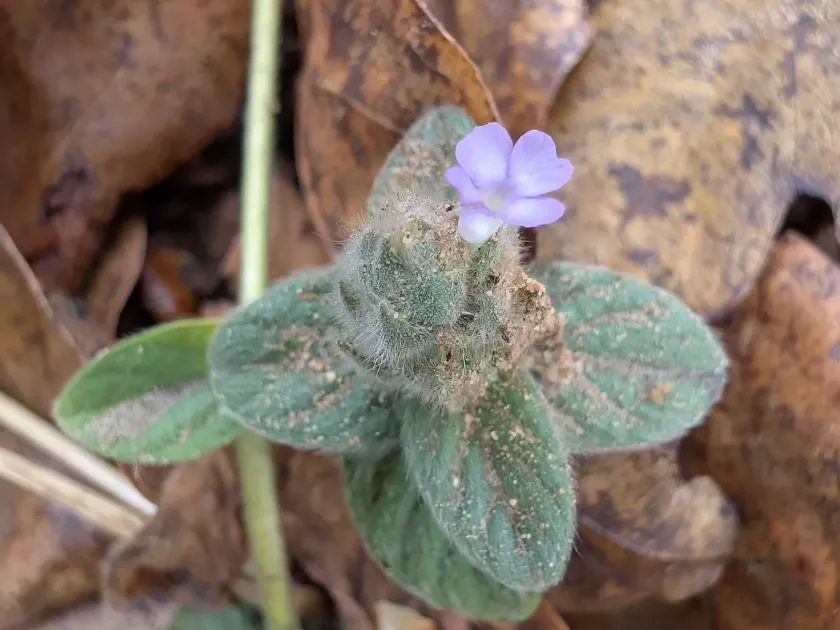
Description
Growing requirements
Nelsonia canescens is a perennial herbaceous plant belonging to the Acanthaceae family. Widely distributed across tropical regions of Africa, Asia, and northern Australia, it typically occupies shaded habitats such as forest floors, riverbanks, and swampy areas, reflecting its high tolerance for humidity.
Botanically, the species is distinguished by its prostrate habit, where the stems spread along the ground and develop roots at the nodes. The leaves are generally oval or elliptic, covered with fine, soft hairs that give the plant a greyish, pubescent appearance, serving as an adaptation to its environment.
Cultivation of Nelsonia canescens requires specific environmental parameters, primarily focusing on high humidity and consistent moisture. It performs best in nutrient-rich, organic soil that remains damp throughout the growing season, mimicking its natural tropical forest floor conditions.
The plant demonstrates significant shade tolerance, making it suitable for intercropping or understory cultivation in agroforestry systems. It is highly sensitive to direct, intense sunlight and prolonged drought, which can lead to rapid wilting and tissue damage if not managed with proper shading and irrigation.
In terms of agricultural and utility applications, the species is primarily valued for its traditional medicinal properties. Extracts from various parts of the plant are utilized in folk medicine to address inflammatory conditions and provide relief for respiratory issues, highlighting its potential for further botanical and pharmaceutical research.