
Nectaropetalum zuluense
Nectaropetalum zuluense
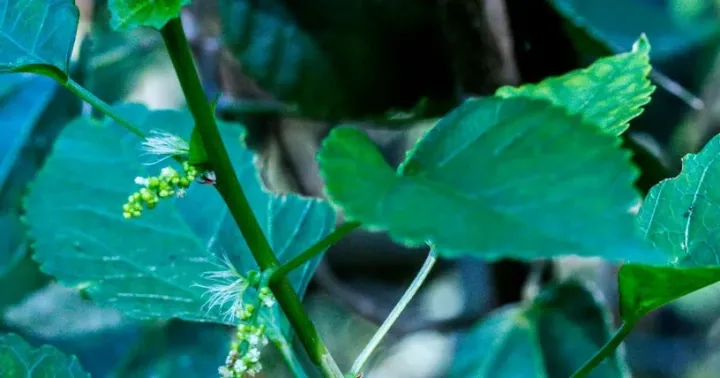
Description
Growing requirements
Nectaropetalum zuluense is a distinctive evergreen shrub belonging to the Erythroxylaceae family. Originating from the coastal forests of KwaZulu-Natal, South Africa, this species thrives in humid, shaded environments within its native range.
Cultivation requires well-draining, nutrient-rich soil with a slightly acidic to neutral pH level. As a forest understory plant, it prefers filtered sunlight or semi-shade conditions to prevent leaf scorch and maintain its dense, lush foliage.
Botanically, the plant is characterized by leathery, elliptic leaves and small, fragrant flowers that appear in seasonal clusters. The structure of the shrub makes it a valuable candidate for high-end landscape design in frost-free tropical or subtropical climates.
The climate requirements for this species are strict, as it lacks cold tolerance. Optimal growth occurs in temperatures between 18 and 28 degrees Celsius, provided there is consistent soil moisture and high relative air humidity throughout the growing season.
In terms of agricultural utility, Nectaropetalum zuluense is primarily studied for its potential in ornamental horticulture. Its resilience to pests in its native habitat makes it an interesting subject for studies on natural plant defense mechanisms.
Main diseases and pests
While Nectaropetalum zuluense is relatively robust in its natural habitat, agricultural cultivation in non-native environments introduces risks of root rot caused by poor soil drainage and waterlogging.
Common pest threats include scale insects and spider mites, which typically target the plant when it is grown in confined environments like greenhouses with inadequate ventilation.
Fungal pathogens may emerge if the foliage remains wet for extended periods in environments with low light and high stagnant humidity, potentially leading to leaf spots or mold growth.
Integrated pest management should focus on maintaining a balanced microclimate, using pruning to increase air circulation, and avoiding the overuse of synthetic fertilizers that may weaken the plant.
Monitoring for signs of infestation should occur weekly, with interventions prioritized towards biological controls or horticultural oils to ensure the long-term health of the shrub.