
Myxopyrum smilacifolium
Myxopyrum smilacifolium
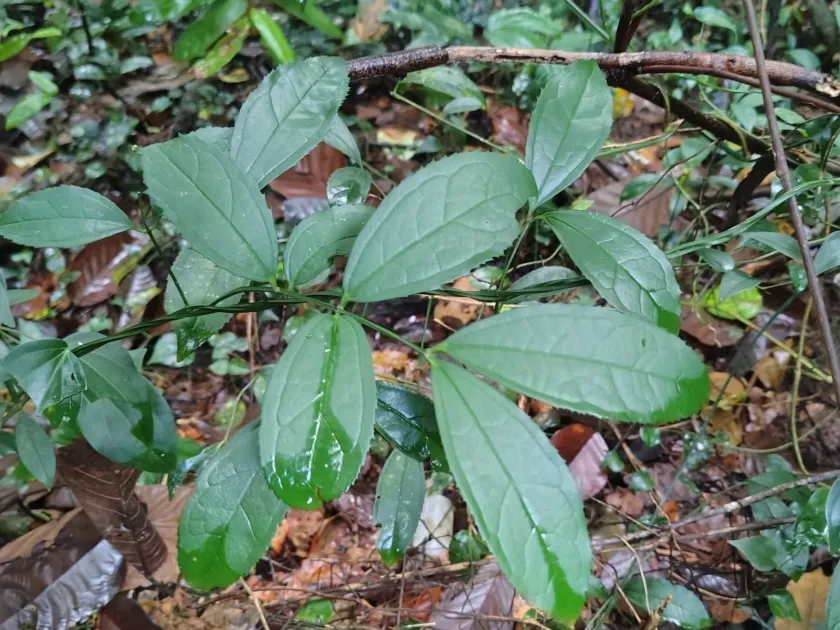
Description
Growing requirements
Myxopyrum smilacifolium is a woody climbing plant belonging to the Oleaceae family. This species is native to the tropical regions of South and Southeast Asia, including India, Myanmar, and Sri Lanka, where it grows as a vigorous climber in tropical rainforest environments.
The natural habitat of this plant is characterized by high annual rainfall and consistent, warm temperatures throughout the year. It thrives in the understory and edges of dense forests, utilizing various trees and structures as a substrate for its vertical development.
In cultivation, this species requires nutrient-rich, well-draining soils that maintain moisture levels without becoming waterlogged. It performs best in environments where the air humidity is consistently high, mimicking the conditions of its native tropical climate.
The optimal temperature range for the development of Myxopyrum smilacifolium is between 22 and 30 degrees Celsius. It requires protection from direct, harsh sunlight, as the leaves are adapted to diffuse light and may easily suffer from photo-inhibition or heat-related stress.
The plant has a long history of utilization in traditional medicine systems within its native range. The leaves and other parts of the vine are recognized for their bioactive components, often used in topical applications for their antiseptic and soothing properties.
Main diseases and pests
Common pests affecting Myxopyrum smilacifolium include spider mites and scale insects, which frequently target the underside of the leaves. High humidity levels, while beneficial for growth, can encourage the development of fungal pathogens if air circulation is poor.
Root rot represents a significant threat to the plant if the growing medium lacks adequate drainage. Early detection of leaf yellowing or stunted growth is crucial, as these are often the first signs that the root system is being compromised by excess moisture.
Insects such as caterpillars may cause mechanical damage to the foliage, creating entry points for secondary infections. Routine inspection of the vine is necessary to identify and mitigate pest infestations before they spread across the entire structure of the plant.
Preventive maintenance involves regular pruning to improve airflow and expose the inner parts of the vine to sufficient light. This practice effectively reduces the micro-climates that favor the survival of pests and fungal spores in dense foliage.
Integrated pest management strategies are recommended for managing the plant's health. By utilizing beneficial insects or organic treatments, growers can protect the medicinal integrity of the plant while ensuring robust development in a controlled or natural setting.