
Mystroxylon aethiopicum
Mystroxylon aethiopicum
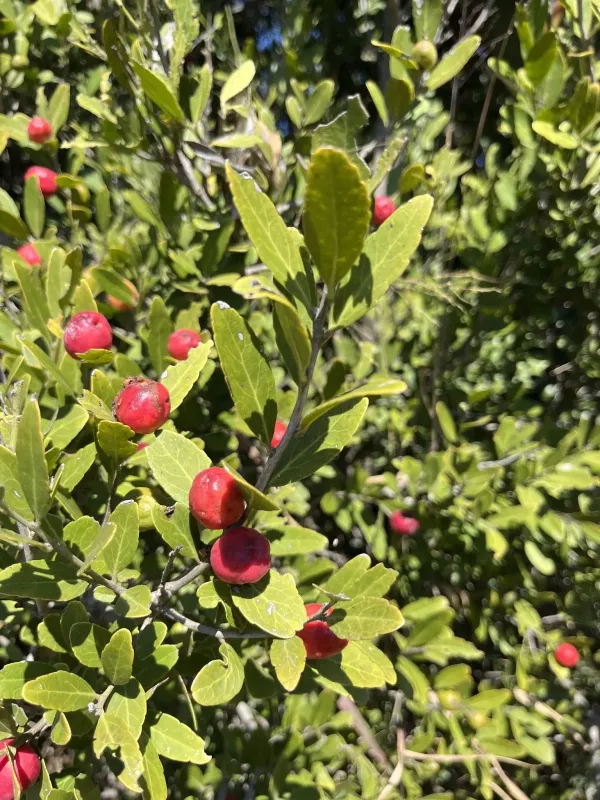
Description
Growing requirements
Mystroxylon aethiopicum belongs to the Celastraceae family. It is an evergreen tree or large shrub widely distributed throughout the tropical and subtropical regions of Africa.
The plant prefers well-drained soils, including sandy and loamy substrates, and exhibits high adaptability to various fertility levels. It grows successfully in both dense forests and more open savanna zones.
The crop requires a consistently warm climate for optimal growth. While mature specimens demonstrate moderate drought tolerance, regular moisture is critical for young saplings during active vegetation periods.
The light requirements for this species range from full sun to partial shade. This makes it suitable for use in reforestation projects as well as landscape design as hedges or decorative garden elements.
Cultivation practices involve weed control during the first years of the crop's life and periodic sanitary pruning. Propagation is primarily achieved through seeds, which require prior scarification to improve germination rates.
Yield
The economic use of Mystroxylon is focused on harvesting valuable timber, which is known for its high density and rot resistance. It is traditionally used in carpentry and for manufacturing small household items.
The fruits of the plant are edible and consumed by local populations either fresh or processed. They attract birds and wildlife, which contributes to maintaining biodiversity on agricultural land.
The leaves and bark of the culture find application in the folk medicine of many African countries. Research confirms the presence of biologically active compounds with antibacterial and anti-inflammatory properties.
In agroforestry, Mystroxylon is valued for its ability to form a dense canopy, preventing soil erosion. This makes it an essential component of wind protection systems for arable lands.
Fruit yield depends on the age of the tree and growing conditions. Under favorable conditions, the plant begins to bear fruit a few years after planting, providing an annual harvest during the ripening season.
Main diseases and pests
The main threats to the culture are related to infestation by insect pests, such as lepidopteran larvae and various leaf beetles, which damage young foliage.
Under conditions of high humidity and poor air circulation, fungal infections may develop, manifesting as leaf spots or bark decay. Regular pruning of the crown helps to minimize these risks.
For pest management on an industrial scale, integrated protection systems are employed, including the use of biological agents. The use of harsh chemicals is undesirable because the fruits are consumed as food.
Competition from invasive plant species can suppress the growth of young saplings. Timely weeding around the root zone is a mandatory maintenance procedure.
Incorrect planting site selection, leading to waterlogging, is often a primary cause of root rot. Maintaining a proper drainage regime remains the most effective method for disease prevention.