
Myrialepis paradoxa
Myrialepis paradoxa
Description
Growing requirements
Myrialepis paradoxa is a species of climbing palm belonging to the Arecaceae family, commonly recognized as a source of rattan. Its climbing growth habit allows it to reach the canopy layer in its native rainforest ecosystems.
The natural habitat of this species is distributed across Southeast Asia, including countries like Thailand, Malaysia, and parts of Indonesia. It thrives in high-humidity environments and well-drained, nutrient-rich forest soils.
Optimal growth requires consistent rainfall and stable, warm tropical temperatures. While the plant can tolerate understory conditions, its reproductive success often depends on finding adequate light gaps within the dense forest structure.
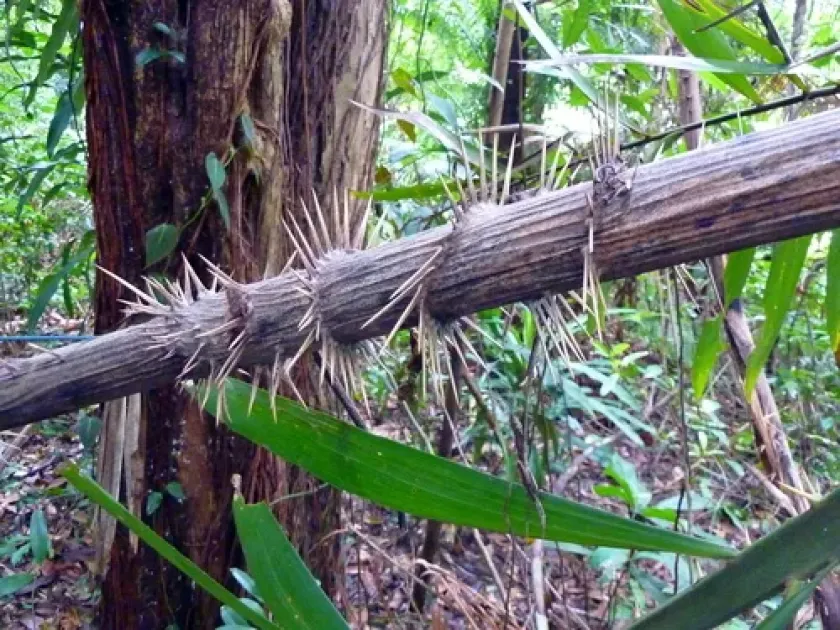
Botanically, it is characterized by its long, resilient, and thorny stems. These stems possess the high flexibility and structural integrity necessary for industrial processing into high-quality rattan products.
The primary economic use is the harvesting of its stems for the furniture and handicraft industries. The material is appreciated for its durability, resistance to bending, and aesthetic appeal after being stripped and treated.
Main diseases and pests
The primary threat to the species is the loss of natural habitat due to deforestation and land conversion. Overharvesting of wild populations without sustainable management practices poses a significant risk to future stock.
Pathogenic threats include various fungal infections, particularly when plants are grown in overcrowded conditions or experience sustained waterlogging. Such diseases can degrade the outer surface and the inner fiber quality of the stems.
Insect pests, including wood-boring beetles and larvae, often target the stems, leading to severe structural damage and economic loss during the drying and storage phases of the harvest cycle.
During the early stages of establishment, the species is vulnerable to competition from invasive weeds. Proper site maintenance and clearing are essential for ensuring the survival of juvenile plants in managed areas.
Agricultural monitoring emphasizes maintaining ecological balance to prevent the spread of diseases. Conservation efforts are now focusing on sustainable harvesting techniques to ensure the long-term viability of the species.