
Mussaenda parviflora
Mussaenda parviflora
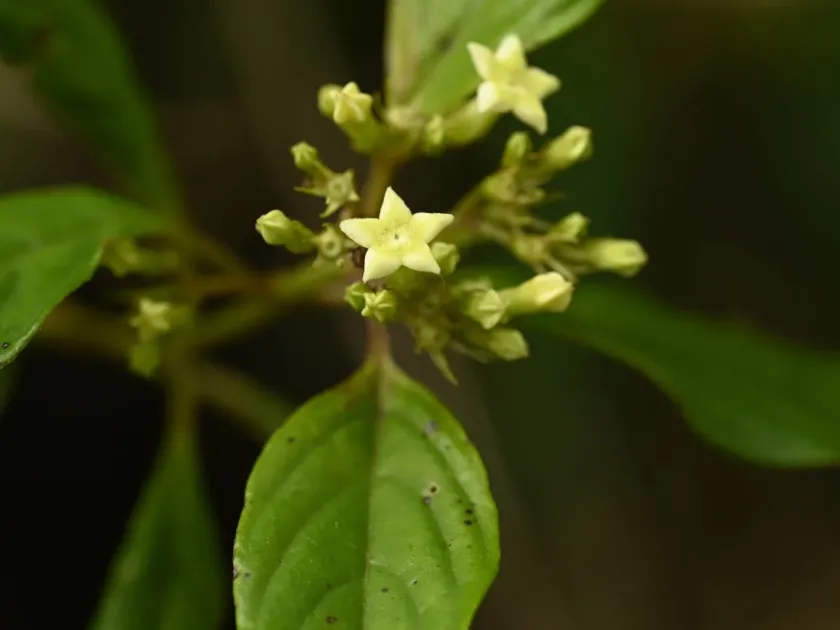
Description
Growing requirements
Mussaenda parviflora is a significant ornamental shrub belonging to the Rubiaceae family. Characterized by its lush foliage and distinct colorful bracts, this species is widely appreciated in tropical and subtropical landscaping for its aesthetic appeal.
Native to East Asia, the plant thrives in humid environments. It requires a stable tropical climate where temperatures rarely drop below 15 degrees Celsius, making it suitable for greenhouses or warm climate zones.
The plant demands a well-drained, nutrient-rich soil mix with a slightly acidic pH level. Good drainage is critical, as the roots are sensitive to waterlogging, which often leads to rapid decline in the plant's health.
Regarding light conditions, Mussaenda parviflora prefers bright, indirect sunlight. Intense direct sun can scorch the leaves, while insufficient light significantly reduces the plant's ability to bloom effectively.
Agronomic maintenance includes routine fertilization during the growing season using balanced fertilizers. Regular pruning is also advised to maintain an attractive shape and promote denser flowering cycles throughout the year.
Main diseases and pests
The plant is frequently targeted by spider mites and mealybugs, especially in indoor conditions where air humidity levels are often too low to suppress these pests naturally.
Fungal diseases, specifically root rot, pose a major threat when the soil remains constantly wet without adequate aeration, leading to decay of the lower stems and root system.
Effective pest management involves the use of specialized acaricides and insecticides, alongside maintaining a clean growing environment to prevent the recurrence of infestations.
Fungal issues should be addressed by adjusting irrigation frequency and utilizing systemic fungicides if symptoms appear on the leaves or stems.
Integrated plant management strategy is recommended, focusing on maintaining optimal environmental conditions and conducting consistent visual inspections to catch problems at the earliest stage.