
Mussaenda glabra
Mussaenda glabra
Description
Growing requirements
Mussaenda glabra is an evergreen shrub belonging to the Rubiaceae family. Originally native to the tropical regions of Southeast Asia, it is highly valued for its striking ornamental appearance and vibrant floral displays.
The plant thrives in fertile, well-draining soil with an acidic to neutral pH. Proper soil aeration is crucial for the health of the root system, as waterlogging is the primary cause of plant failure in home cultivation.
Regarding climate, this shrub requires a warm environment with high humidity levels. In temperate regions, it is cultivated exclusively as a greenhouse plant, as it cannot withstand temperatures below 15-18 degrees Celsius.
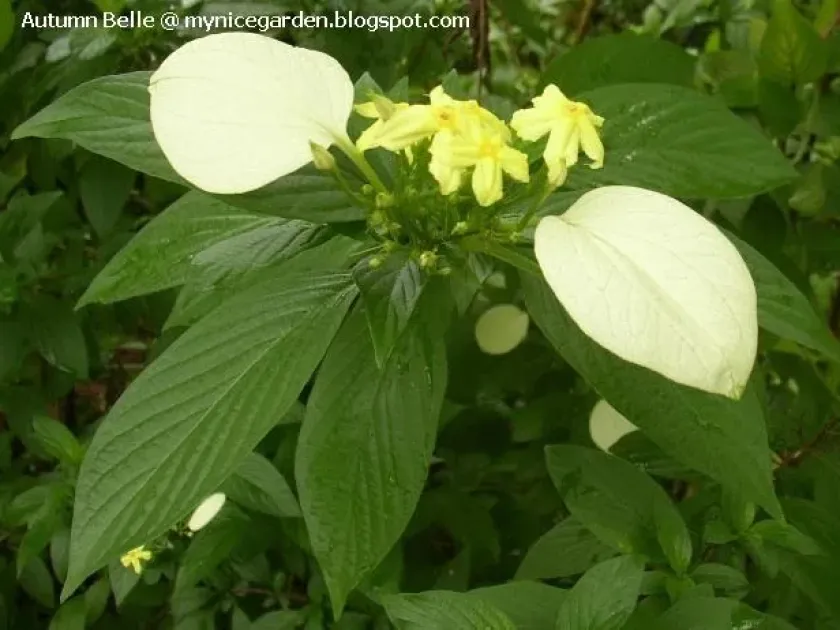
Botanically, it features simple, opposite leaves and dense clusters of flowers. The most notable parts of the plant are the enlarged, colorful sepals that provide a long-lasting aesthetic appeal to the shrub throughout the flowering season.
In agriculture and horticulture, Mussaenda glabra is primarily grown for its ornamental value. It is widely used in landscape design in tropical climates and serves as a focal point in indoor botanical conservatories.
Main diseases and pests
The most common pests affecting Mussaenda glabra are spider mites, which flourish in low-humidity conditions. Regular misting and proper plant placement can significantly reduce the risk of infestation.
Mealybugs are another common threat, often settling in the leaf axils. Physical removal or the application of horticultural oils is recommended for minor infestations to keep the plant healthy.
Root rot is a critical threat caused by overwatering and inadequate drainage. To prevent this, ensure that the pot has sufficient holes and use a light, permeable soil mix suitable for tropical plants.
Leaf spot diseases can occur if the foliage remains wet for extended periods in environments with poor air circulation. Proper spacing and ventilation are essential to mitigate these fungal issues.
Nutrient deficiencies, specifically iron chlorosis, can lead to yellowing leaves. Providing balanced, micronutrient-enriched fertilizers is key to maintaining the vivid color of the foliage and bracts.