
Mussaenda frondosa
Mussaenda frondosa
Description
Growing requirements
Mussaenda frondosa is an evergreen shrub belonging to the Rubiaceae family. In its natural habitat, the plant is widely distributed across tropical regions of Asia, including India, Malaysia, and the Philippines.
The culture thrives in a warm and humid tropical climate. The optimal temperature range for active growth is between +20°C and +30°C, and the plant is highly sensitive to frost and prolonged drops in temperature below +15°C.
Successful growth requires fertile, well-drained soil with an acidic to neutral pH level. Waterlogging is detrimental to the plant, so providing a quality drainage layer when planting in pots or open ground is essential.
The plant is photophilous and requires bright, indirect light. Direct sunlight during peak hours can cause leaf burns, so light shading in the middle of the day is recommended in hotter regions.
Agricultural practices include regular watering to maintain consistent soil moisture and the application of balanced mineral fertilizers during the growing season. High humidity is a critical factor for achieving successful blooming.
Main diseases and pests
The main threats to Mussaenda plantations are greenhouse and garden pests, particularly spider mites and mealybugs. They reproduce rapidly when air humidity levels are poorly managed.
Overwatering frequently leads to fungal diseases, such as root rot. To combat pathogens, the use of broad-spectrum fungicides and strict adherence to a controlled irrigation schedule are recommended.
Micronutrient deficiencies in the soil can manifest as leaf chlorosis, which can be corrected by adding chelated iron and magnesium to the plant's nutrition program.
Scale insect infestation is another common issue. Upon detection of colonies, treatment with systemic insecticides is necessary, strictly following the manufacturer's guidelines.
Disease prevention is based on ensuring adequate ventilation in the growing area and monitoring for stagnant water in the root zone, which minimizes the risk of root system decay.
Harvesting
The agricultural use of this culture is primarily for ornamental purposes; it is used in landscape design to create hedges or as a standalone specimen in tropical-style gardens.
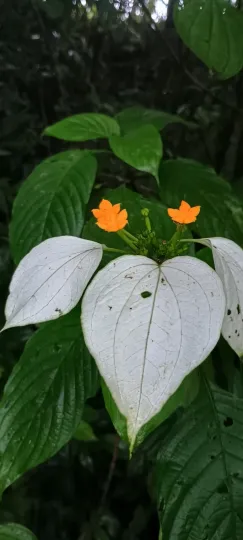
The unique feature of the plant is its hypertrophied calyx lobes (bracts), which are often mistaken for flower petals. The actual flowers are small, while the brightly colored bracts attract pollinators and give the shrub its decorative appearance.
In temperate regions, the plant is cultivated as an indoor or greenhouse crop. Cuttings are harvested during the active growth phase, which ensures the maintenance of maternal varietal traits.
When harvesting plant material for decorative use, care must be taken not to damage the main shoots, as the shrub's regeneration process is relatively slow.
To maintain its aesthetic appeal, annual pruning is performed after the flowering period ends. This involves removing old or elongated branches, which stimulates branching and the subsequent formation of new, vibrant bracts.