
Mundulea sericea
Mundulea sericea
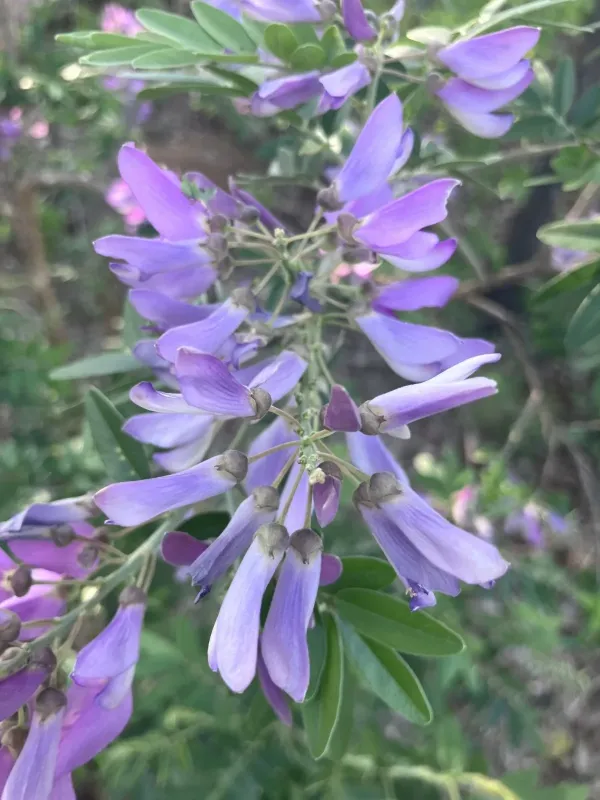
Description
Sowing dates
Propagation of Mundulea sericea is primarily performed using seeds. Due to the hard seed coat, scarification is highly recommended to improve water absorption and accelerate germination rates significantly.
Sowing should ideally coincide with the onset of the rainy season, which provides the necessary moisture for the rapid establishment of the root system during the critical initial growth phase.
When starting in nurseries, seeds are sown in well-draining pots. A consistent temperature range of 20°C to 25°C is essential to ensure a high percentage of successful germination within three weeks.
Seedlings are ready for transplanting when they reach a height of approximately 30 to 40 centimeters. Proper spacing is required to allow each plant sufficient space for lateral branch development.
Soaking seeds in warm water for 24 hours prior to planting is a standard practice that helps break seed dormancy. This method consistently results in more uniform emergence across the planting field.
Growing requirements
Mundulea sericea is a perennial shrub belonging to the Fabaceae family, recognized for its exceptional resilience to harsh environments and its role in nitrogen fixation within the soil.
The plant thrives in well-drained, sandy, or rocky soils. It is intolerant to waterlogged conditions, which can lead to root rot and other physiological disorders in the plant's vascular system.
Being a heliophilous species, it requires direct sunlight for the majority of the day. Adequate light exposure is critical for flower production and the synthesis of secondary metabolites like rotenone.
This species is well-adapted to tropical and subtropical climates and is highly sensitive to frost. Stable, warm temperatures are mandatory for its survival and growth throughout the year.
While mature plants are highly drought-tolerant, supplemental irrigation during the first year of growth ensures that the plant develops a robust root structure capable of accessing deep groundwater.
Main diseases and pests
- Leaf-eating insects affecting vegetative growth during the humid season.
- Root rot fungi triggered by poor soil drainage and stagnant water.
- Stem borers that may infest older, neglected shrubs.
- Aphid colonies forming on tender young apical shoots.
- Fungal rusts occurring in environments with excessive humidity and lack of air circulation.
Integrated pest management, including regular monitoring and the removal of infected parts, is the most effective approach for maintaining healthy plantations of this legume.
Proper spacing between plants helps reduce the incidence of fungal diseases by increasing airflow within the canopy, preventing the build-up of excess moisture and pathogens.
Avoiding over-fertilization with nitrogen is beneficial, as the plant possesses nitrogen-fixing abilities; excessive nitrogen can attract sap-sucking pests and promote succulent growth prone to damage.
Periodic pruning not only aids in harvesting but also eliminates deadwood, which often serves as a breeding site for various insect pests and fungal infections.
Harvesting
The economic value of Mundulea sericea lies in its utilization as a natural source of rotenone, a potent insecticide used extensively in organic farming and botanical pest control programs.
Harvesting of leaves and bark is timed to occur during the peak flowering stage, which is the period when the plant exhibits the highest concentration of active insecticidal compounds.
Selective harvesting techniques, such as coppicing or branch trimming, are employed to ensure the longevity of the plant while maximizing the yield of raw botanical material for processing.
Drying must be conducted in the shade with efficient ventilation to preserve the chemical integrity of the extracted components, as exposure to heat and UV light degrades the product.
Seed pods are gathered once they turn dry and brown. After extraction, seeds are cleaned and stored in cool, low-humidity conditions to maintain viability for future cultivation cycles.