
Muellera campestris
Muellera campestris
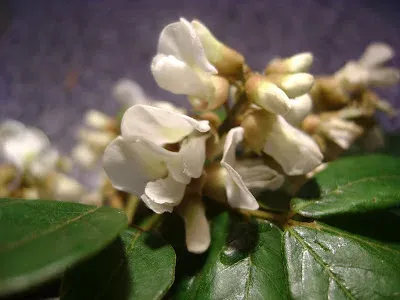
Description
Sowing dates
Muellera campestris belongs to the Fabaceae family and is recognized as a hardy leguminous species. In its natural South American habitat, it often displays a semi-shrubby or vine-like growth habit, adapting to various light conditions.
To ensure successful germination, seeds of Muellera campestris require scarification to break their naturally tough seed coat. Planting should occur when soil temperatures have consistently risen, ensuring the absence of late-spring frost events.
The seeds should be sown at a depth of 2 to 3 centimeters. Proper soil contact is vital for moisture uptake, which is the primary trigger for the embryonic development of this leguminous crop.
During the early growth stages, the crop is sensitive to competition from weeds. Implementing a clean seedbed and providing adequate space between rows will encourage vigorous development of the root system.
For large-scale cultivation, sowing density should be calculated based on the specific end-use, such as biomass production or seed harvest. Consistent moisture levels during the germination phase are essential for establishing a uniform crop stand.
Growing requirements
This species thrives in well-drained, sandy-loam soils with a neutral to slightly acidic pH. Poorly drained or waterlogged soils are unsuitable and often lead to root rot issues, which the plant is highly susceptible to.
Muellera campestris is a heliophilic plant, requiring full sun exposure to maximize photosynthetic efficiency. It performs best in regions where temperatures remain consistently between 22 and 30 degrees Celsius during the growing season.
As a legume, it relies on symbiotic nitrogen-fixing bacteria to thrive in low-fertility soils. If the soil lacks these specific rhizobia, seed inoculation is recommended to enhance the nitrogen uptake capabilities of the plant.
While the plant exhibits moderate drought tolerance once established, it requires sufficient water during the flowering and pod-filling stages to achieve optimal yield. Over-watering should be avoided to prevent fungal pathogen outbreaks.
Regarding fertilization, phosphorus and potassium are the primary nutrients required to support robust growth and seed formation. Excessive nitrogen should be avoided to prevent succulent growth that may become prone to pest infestation.
Main diseases and pests
Root rot, primarily caused by waterlogged conditions, remains the most significant threat to Muellera campestris crops. Ensuring optimal field drainage is the most effective preventative measure against these soil-borne pathogens.
Pests such as aphids and various leaf-eating beetles can cause considerable damage to the foliage. Integrated pest management strategies, utilizing both predatory beneficial insects and selective biological agents, are highly encouraged.
Powdery mildew may develop in dense, poorly ventilated stands, particularly when humidity levels are high. Proper canopy management and spacing are crucial for ensuring adequate air circulation around the plants.
Rodents and other small mammals can damage the stems or pods if left unchecked. Implementing physical barriers or maintaining clean field borders can significantly reduce the risk of vertebrate pest incursions.
Regular scouting for early symptoms, such as chlorosis, unusual leaf spotting, or stunted growth, allows for a rapid response. Early intervention with suitable protectants is key to maintaining high crop productivity.