
Tolmiea menziesii
Tolmiea menziesii (Pursh) Torr. et A. Gray
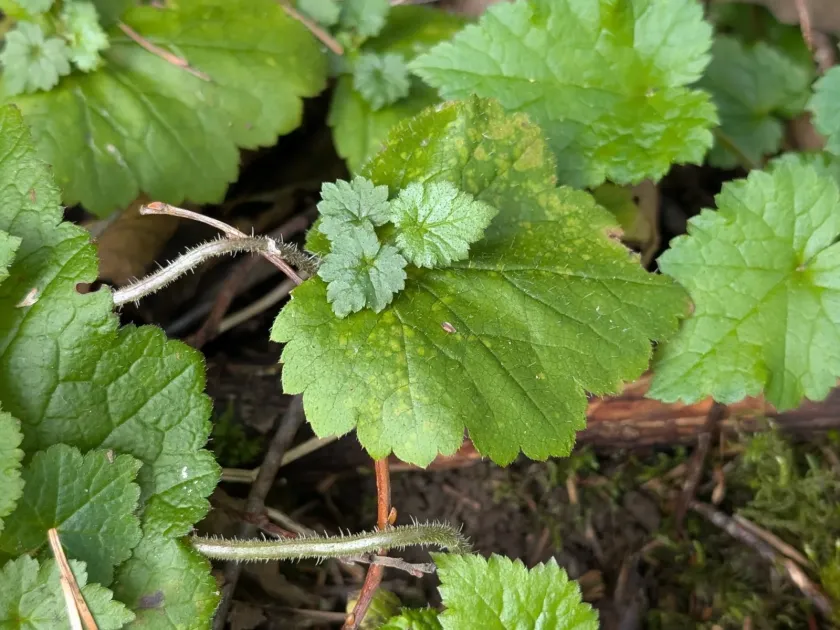
Description
Growing requirements
Tolmiea menziesii, commonly known as the piggyback plant, is a perennial herbaceous species belonging to the Saxifragaceae family. It is native to the coastal forests of North America, stretching from Alaska to California.
The plant is botanically unique due to its production of small adventitious plantlets that form at the base of the leaf blades. This specialized propagation method allows the plant to expand its colony in natural woodland environments efficiently.
Cultural requirements for this species include high humidity and shaded conditions. It is a classic shade-loving plant that thrives when protected from direct sunlight, which can quickly scorch its tender foliage and lead to physiological stress.
The soil should be rich in organic matter and maintain high moisture retention. While the plant loves water, excellent drainage is mandatory to prevent root rot, as the root system is highly sensitive to waterlogged conditions.
In terms of usage, Tolmiea menziesii is primarily used in ornamental gardening and indoor plant cultivation. It is highly valued for its lush texture and ease of propagation, making it an excellent candidate for shaded garden borders or as a houseplant in cool, well-lit spaces.
Main diseases and pests
Fungal diseases represent the most significant threat to this crop. Botrytis blight is particularly common when the plant is grown in areas with poor ventilation and high humidity, leading to the rapid decay of leaves.
Pests such as spider mites are a major issue in indoor conditions, especially during winter months when indoor heating lowers the ambient humidity. Mealybugs may also infest the base of the plantlets, affecting overall growth.
Prevention methods include maintaining optimal spacing between plants to encourage air circulation and monitoring the moisture levels of the potting substrate to ensure that roots are not perpetually sitting in water.
In cases of severe infestation, growers should apply appropriate acaricides or systemic insecticides. Regular inspection of the undersides of the leaves is advised to catch pest populations before they establish a stronghold.
Maintaining a stable climate is the best defense against threats. Providing consistent, diffused light and moderate temperatures ensures the plant remains vigorous enough to resist common horticultural pathogens and stressors.