
Motandra guineensis
Motandra guineensis
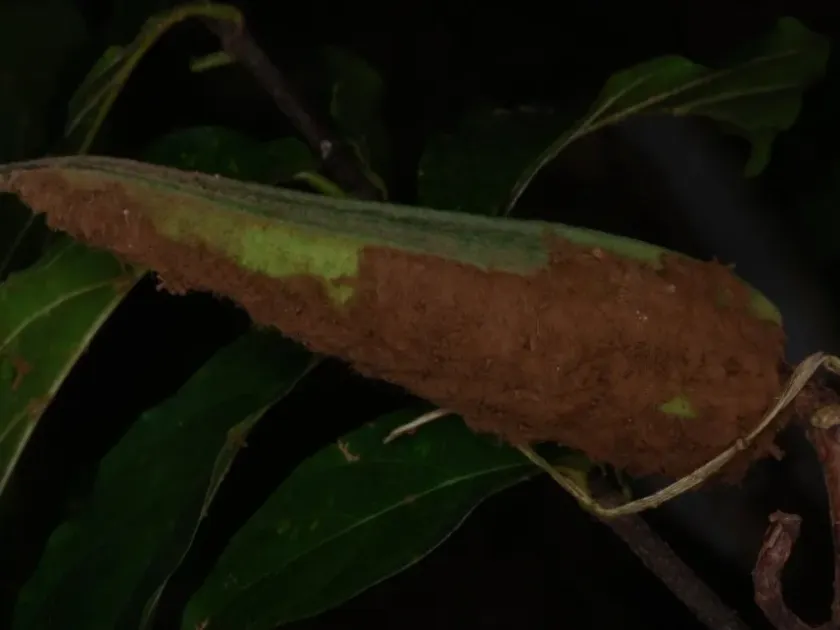
Description
Growing requirements
Motandra guineensis is a perennial woody vine belonging to the Apocynaceae family, native to the tropical regions of West and Central Africa. It thrives in humid, shaded forest environments where it can climb toward the canopy.
The plant requires fertile, well-draining soils rich in organic matter to support its rapid vegetative growth. Water availability must be consistent throughout the year to prevent stress in the tropical environment.
Climate requirements include constant warm temperatures, ideally between 22°C and 30°C. The species is highly sensitive to cold and requires protection from any temperature drop below 15°C.
Agrotechnical management involves providing sturdy vertical structures, such as trellises or host trees, which are essential for the vine to reach its full productive capacity and to ensure proper light exposure.
Economically, the plant is primarily harvested for traditional medicinal purposes. Local communities have utilized the bark and leaves for generations due to the unique alkaloid profile found in the plant tissues.
Main diseases and pests
The presence of latex in the stems provides the plant with natural chemical defenses, making it relatively resistant to common herbivorous insects compared to non-toxic species.
Despite these defenses, fungal pathogens remain a concern, especially during the rainy season or in poorly ventilated areas, leading to issues like leaf spots and stem rot.
Occasional infestations by sap-sucking insects, such as mealybugs or aphids, may occur on new growth. Regular monitoring is essential to prevent these pests from spreading across the vine.
Maintenance of optimal air circulation and avoiding overhead watering are key strategies to minimize the risk of fungal infections within a dense canopy of foliage.
Integrated pest management should be prioritized over aggressive chemical usage, as the plant is frequently collected for medicinal applications where the chemical purity of the harvested material is critical.