
Monocarpia maingayi
Monocarpia maingayi
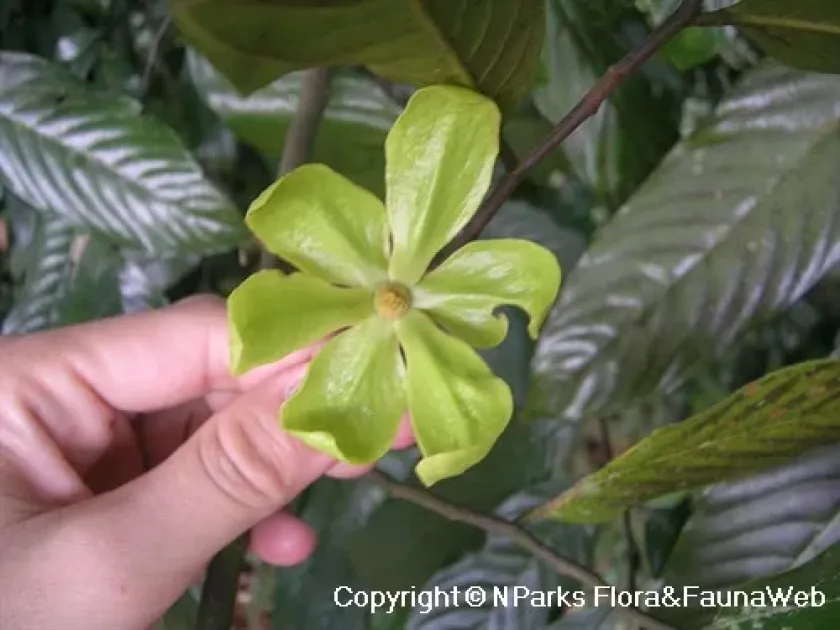
Description
Growing requirements
Monocarpia maingayi is a tropical evergreen tree belonging to the Annonaceae family. Native to the rainforests of Southeast Asia, including Malaysia and parts of Indonesia, this species is highly adapted to humid, low-altitude ecosystems.
The cultivation of this species requires a stable tropical climate characterized by high atmospheric humidity and consistent temperatures. Well-draining, nutrient-rich soils with a slightly acidic profile are essential for healthy root development.
Botanically, the tree is noted for its elegant structure and dense canopy. Its reproductive biology is closely linked to its natural habitat, relying on specific insect pollinators to ensure successful seed dispersal in the forest understory.
While not a major commercial crop, Monocarpia maingayi is valued in forestry trials for its structural wood properties. Young plants require partial shade to avoid leaf scorch, transitioning to more light-tolerant stages as they mature.
Standard agronomic practice involves monitoring soil moisture and protecting the tree from extreme dry spells. Regular application of organic matter helps mimic the forest floor environment, supporting the tree's growth rate and overall resilience.
Harvesting
Harvesting strategies for this species are based on sustainable forest management principles. Periodic thinning and selective extraction are utilized to maintain the integrity of the grove while ensuring the quality of the harvested wood products.