
Monimia rotundifolia
Monimia rotundifolia
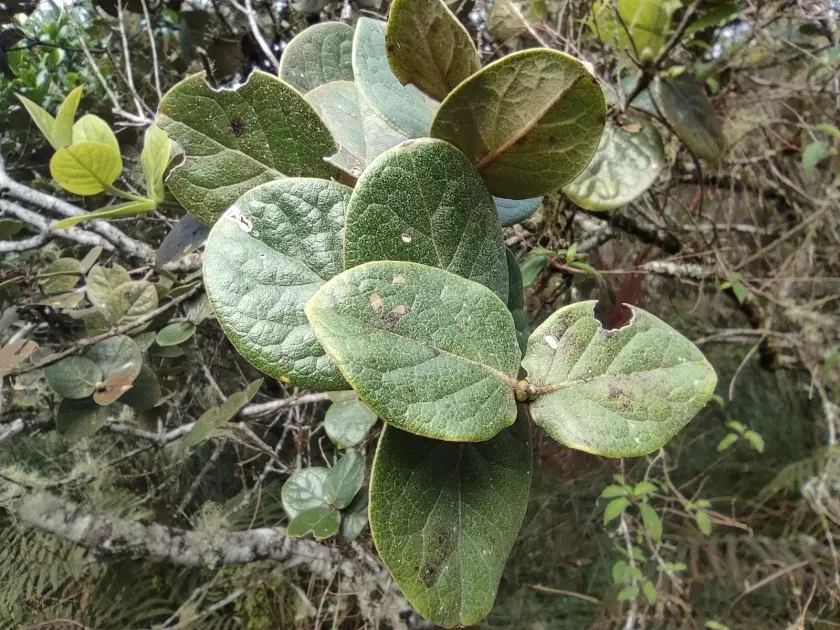
Description
Growing requirements
Monimia rotundifolia is a rare plant species belonging to the Monimiaceae family. This woody plant is endemic to Mauritius and plays a significant role in the local ecology of the island's unique forest ecosystems.
The species is botanically defined as an evergreen shrub or small tree. Its distinct feature is its round leaves, which are adapted to capture maximum light in the dense, shaded understory of tropical forests.
Cultivation requires specific environmental conditions, including high atmospheric humidity and well-draining, nutrient-rich volcanic soils. The plant thrives in environments that replicate the stable, moist climate of its natural habitat.
Regarding light, it prefers dappled or filtered sunlight. Exposure to direct intense sun can damage the foliage, as the species has evolved to grow beneath the canopy of larger tropical trees.
Agricultural techniques are currently limited to botanical conservation efforts. Propagating the plant requires precise temperature control, typically between 20 and 28 degrees Celsius, to ensure successful root development.
Main diseases and pests
The primary threat to Monimia rotundifolia is the encroachment of invasive plant species that alter the soil chemistry and compete for vital resources in the endemic habitat.
Fungal pathogens often attack the root system if the moisture levels are not carefully managed. In humid conditions, root rot and leaf blight are the most common issues observed in nurseries.
Pests such as scale insects and spider mites are frequent threats in controlled environments. These pests can cause severe stunting if not addressed promptly through manual or organic intervention.
Soil degradation and the loss of natural pollinators on Mauritius pose significant risks to the long-term survival of the species, as genetic diversity becomes harder to maintain.
Conservation strategies emphasize the protection of micro-habitats and the reforestation of native species to provide the necessary cover and environmental balance for the growth of this fragile plant.