
Momordica cabrae
Momordica cabrae
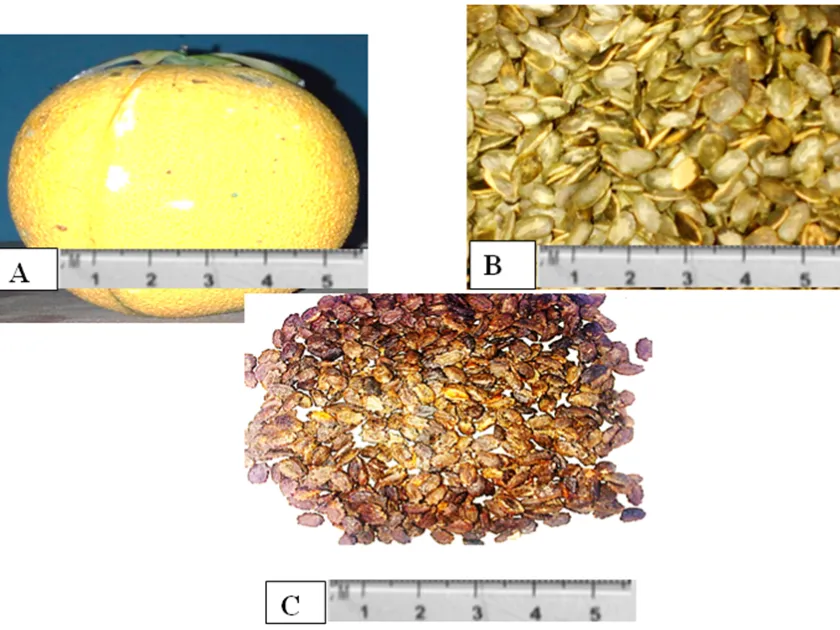
Description
Sowing dates
Momordica cabrae is a heat-loving tropical vine, requiring warm soil temperatures to achieve successful germination and early establishment.
Seeds should be sown only when the risk of frost has completely passed and the ground has warmed sufficiently to support rapid root growth.
Pre-soaking seeds in water for 24 hours can significantly improve the speed and uniformity of germination for this specific species.
In temperate climates, the use of indoor starting trays is recommended to ensure plants are well-developed before being transplanted into the field.
Spacing must be adequate, typically providing at least 1–2 meters between plants to allow for proper airflow and vine expansion during the season.
Growing requirements
As a member of the Cucurbitaceae family, this crop thrives in sunny locations with high solar radiation levels to ensure maximum development.
Well-drained, sandy loam soils that are rich in organic matter are ideal for preventing moisture-related stress and root diseases.
The crop requires sturdy trellising systems to keep the fruits off the ground, which improves fruit quality and makes harvesting much easier.
Regular irrigation is essential, especially during the flowering and fruit-setting phases, but waterlogging must be avoided at all costs.
- Soil pH levels between 6.0 and 7.0.
- Application of balanced organic fertilizers.
- Protection from strong, cold prevailing winds.
Yield
The yield potential of Momordica cabrae is high, provided that pollination is adequate and the plants receive sufficient sunlight and nutrients.
Regular pruning of excessive lateral shoots helps the plant concentrate its energy on fruit production rather than vegetative growth.
Pollination is often facilitated by bees and other insects, so maintaining a diverse and healthy environment around the crop is beneficial.
The fruits should be monitored closely as the ripening phase can proceed rapidly depending on ambient air temperatures and moisture levels.
Proper harvest management ensures that the nutritional and therapeutic value of the fruits is preserved for the end consumer.
Main diseases and pests
Powdery mildew is a significant threat to the foliage, especially in humid environments with poor air circulation between the vine leaves.
Root rot caused by over-irrigation can lead to sudden wilting and total plant loss if the drainage systems are not effectively managed.
Common pests such as aphids and spider mites can colonize the leaves, requiring early detection and potential intervention with biological controls.
Virus-carrying insects pose a risk throughout the season, making the control of vectors a vital component of integrated crop management.
Applying preventive measures like crop rotation and maintaining clean field borders helps in reducing the overall pressure from pests and diseases.
Harvesting
Harvesting is performed manually using sharp garden shears to prevent mechanical damage to the delicate stems and the fruits themselves.
Fruits should be harvested at the mature green or early ripening stage, depending on the specific market requirements and end-use.
Careful handling is required after the harvest, as the outer surface of the fruit is sensitive to bruising and quick decay if mishandled.
Immediate cooling after harvest can significantly extend the shelf life of the produce by slowing down the natural metabolic processes.
Grading and sorting should take place immediately in a clean, shaded area to prepare the harvest for efficient distribution or processing.