
Mirbelia floribunda
Mirbelia floribunda
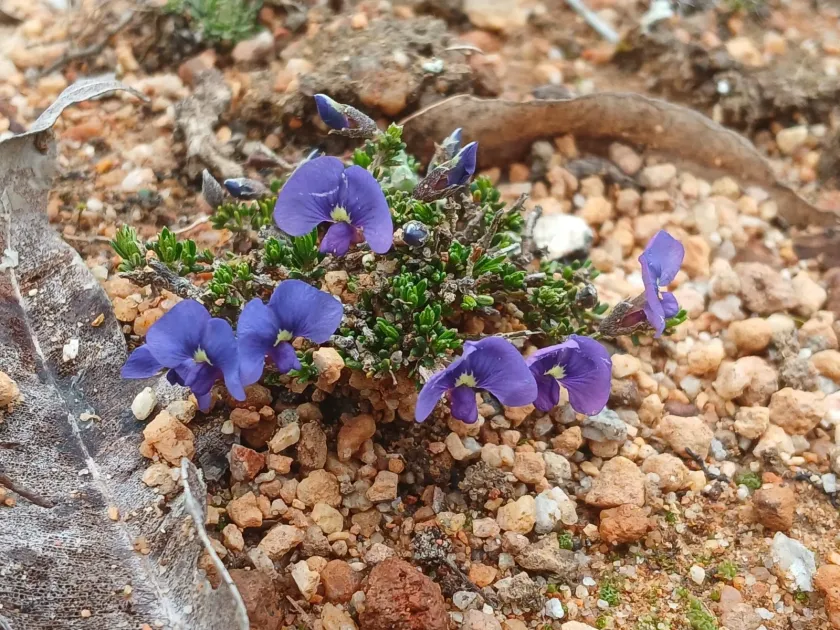
Description
Growing requirements
Mirbelia floribunda, commonly known as a species of the Fabaceae family, is a distinct shrub native to the southwestern regions of Western Australia. It has adapted to thrive in nutrient-poor, sandy soils prevalent in its natural habitat.
The plant is characterized by its evergreen foliage and a dense growth habit. Its narrow leaves serve as a key adaptation to survive periodic drought, effectively reducing water loss through transpiration.
For successful cultivation, Mirbelia floribunda requires full sun exposure to promote healthy growth and abundant flowering. It is essential to plant it in well-draining soil to prevent root asphyxiation, as the plant is highly sensitive to waterlogging.
The climate requirements include mild to warm conditions. While it is quite drought-tolerant once established, it benefits from occasional watering during prolonged dry spells to maintain its ornamental value and health.
In terms of soil nutrition, it is important to avoid fertilizers with high phosphorus content. As an Australian native, this plant is adapted to soils where phosphorus is limited and can suffer toxicity if excessive amounts are applied.
Main diseases and pests
Root rot caused by Phytophthora or similar fungal pathogens is the primary threat to the longevity of Mirbelia floribunda. Poor drainage in the root zone is the main catalyst for these fatal conditions.
Powdery mildew can affect the foliage if the air circulation around the shrub is restricted. Providing adequate spacing between plants is a recommended cultural practice to prevent the build-up of humidity and fungal spores.
Spider mites are common pests that thrive in dry and hot environments. These small arachnids feed on the sap of the plant, potentially causing stippling or bronzing of the leaves if left uncontrolled.
Aphid infestations may occur during the spring season on new growth. Regular monitoring of the shoot tips allows for early detection, enabling gardeners to intervene with soft soap sprays before the population expands.
Environmental stress, such as extreme temperature fluctuations, can also weaken the plant, making it more susceptible to opportunistic pathogens. Mulching around the base can help regulate soil temperature and moisture levels effectively.