
Milleria quinqueflora
Milleria quinqueflora
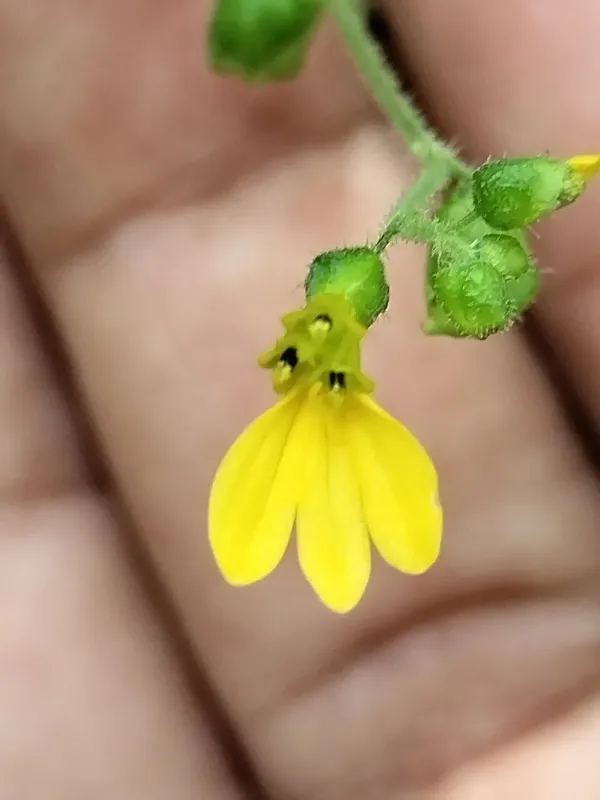
Description
Sowing dates
Milleria quinqueflora is primarily a tropical species, requiring specific environmental conditions for successful establishment in a cultivation setting. Sowing should commence when the soil temperature has reached a consistent level above 15 degrees Celsius to ensure rapid germination and early growth.
Soil preparation is critical for this species. The seedbed must be finely tilled and free of large clumps, which allows for uniform seed placement and adequate moisture retention. Planting depth should be maintained at approximately 2 to 3 centimeters to prevent exhaustion of seed reserves before emergence.
Optimal spacing between rows is necessary to accommodate the plant's growth habit. Proper density helps mitigate competition for sunlight and nutrients, ensuring that each individual plant has sufficient resources to reach maturity without undue stress that could lead to stunted growth.
Weed control during the early stages of establishment is vital, as Milleria quinqueflora competes poorly with aggressive fast-growing weeds. Mechanical cultivation in the inter-row space should be performed carefully to avoid disturbing the shallow root systems that develop in the topsoil layer.
Late sowing should be avoided to ensure that the plant completes its life cycle within the available frost-free window. Early establishment allows the crop to benefit from the maximum intensity of solar radiation, which is essential for the vegetative development of this Asteraceae family member.
Growing requirements
As a member of the Asteraceae family, Milleria quinqueflora thrives in sunny, open locations. High light intensity is a primary requirement for the plant to successfully develop its complex floral structures and maintain high photosynthetic rates throughout the growing season.
The plant demonstrates a preference for well-draining, fertile soils rich in organic matter. While it is adaptable to various soil types, its productivity is significantly higher in loam soils that maintain a balance between water retention and aeration, supporting consistent root health.
Temperature is a defining factor for this species' cultivation. It is highly sensitive to cold, requiring a warm, stable climate. Temperatures consistently ranging from 22 to 28 degrees Celsius are ideal for promoting robust vegetative growth and preventing premature senescence of the plant tissue.
Water requirements for Milleria quinqueflora are moderate but consistent. During the peak of the growing season, regular watering is recommended to sustain turgor pressure and support rapid biomass accumulation, especially in regions with limited rainfall or high evaporation rates.
Nutrient management should focus on a balanced NPK application, with particular emphasis on nitrogen during the early vegetative phase to encourage leaf development. Proper fertilization strategies help the plant develop sufficient structural integrity to support its reproductive organs during the flowering stage.
Main diseases and pests
The primary threat to the health of Milleria quinqueflora populations involves fungal pathogens that thrive in excessively wet conditions. Root rot and damping-off can devastate entire fields if soil drainage is inadequate or if irrigation schedules are not strictly managed to prevent waterlogging.
Pest management focuses largely on sucking insects such as aphids. These insects feed on the sap, causing leaf curling and the potential spread of plant viruses. Monitoring for early signs of infestation is necessary to implement control measures before populations reach economic injury levels.
Spider mites can also become a problem during periods of hot, dry weather. These pests cause damage by piercing leaf cells, resulting in a mottled appearance and reducing the plant's overall photosynthetic capacity. Regular inspection of the leaf underside is the best approach for early detection.
Disease prevention strategies prioritize sanitation and crop rotation. By preventing the accumulation of pathogens in the soil, growers can reduce the need for chemical interventions, making the cultivation process more sustainable and reducing the overall risk of significant crop loss.
Integrated Pest Management (IPM) practices should be employed to balance chemical applications with natural predators. By maintaining a healthy ecosystem around the field, farmers can foster natural control of many common pests that affect the productivity of Milleria quinqueflora in various settings.