
Mildbraediodendron excelsum
Mildbraediodendron excelsum
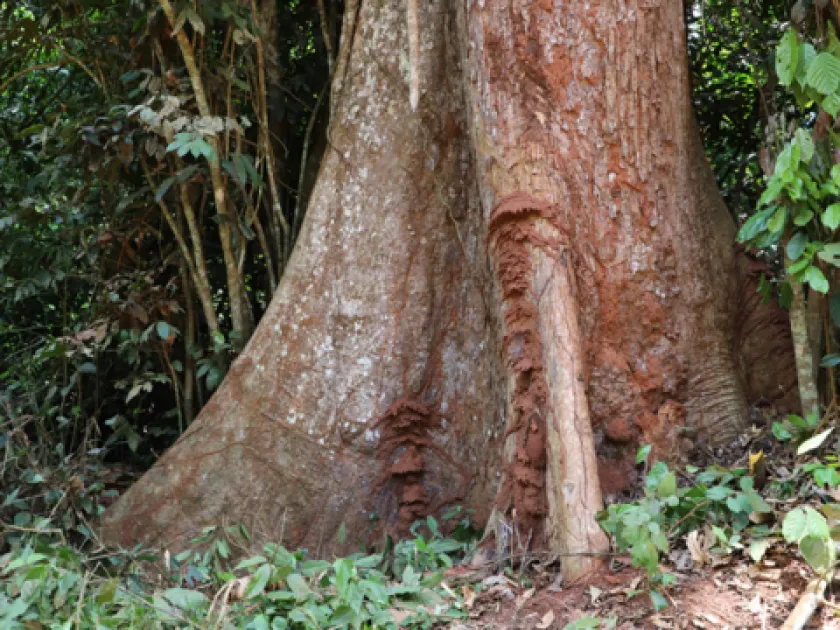
Description
Growing requirements
Mildbraediodendron excelsum is a significant tree species belonging to the Fabaceae family. As a unique member of its genus, it holds a specialized niche in the tropical forest ecosystems of West and Central Africa.
The tree thrives in humid tropical climates characterized by high rainfall and consistent warmth. It requires environments that mimic its natural habitat to support healthy growth and development during its life cycle.
Regarding soil requirements, the species prefers deep, nutrient-rich, and well-drained soils. Avoiding waterlogged conditions is essential, as the root system is sensitive to prolonged saturation which can trigger various physiological disorders.
As a legume, this species possesses the capacity for nitrogen fixation through root nodules. This biological trait contributes significantly to soil nitrogen enrichment, supporting the surrounding forest flora.
Agricultural management of this crop involves careful site selection and monitoring of microclimatic conditions. Young plants often benefit from initial shade before transitioning to full exposure as they mature into forest canopy trees.
Harvesting
The primary economic use of Mildbraediodendron excelsum is for its high-quality timber. The wood is highly valued for its density, durability, and resistance to environmental degradation, making it suitable for high-end construction.
Harvesting operations are strictly managed through sustainable forestry practices to ensure the species remains viable. Selective logging is the preferred method to maintain the structural integrity of the forest ecosystem.
The timber is widely utilized in the manufacturing of luxury furniture, architectural woodworking, and durable flooring. Its unique grain patterns are highly sought after by woodworkers and designers worldwide.
Beyond its physical properties, the tree serves a vital role in maintaining regional biodiversity. Management efforts are often focused on balancing timber production with conservation strategies to protect the species from over-exploitation.
Future development in the cultivation of this species likely involves establishing sustainable plantations. This approach aims to reduce reliance on wild harvesting while promoting the restoration of tropical ecosystems.