
Weddell's microcoelum
Microcoelum weddellianum (H. Wendl.) H. E. Moore
Description
Growing requirements
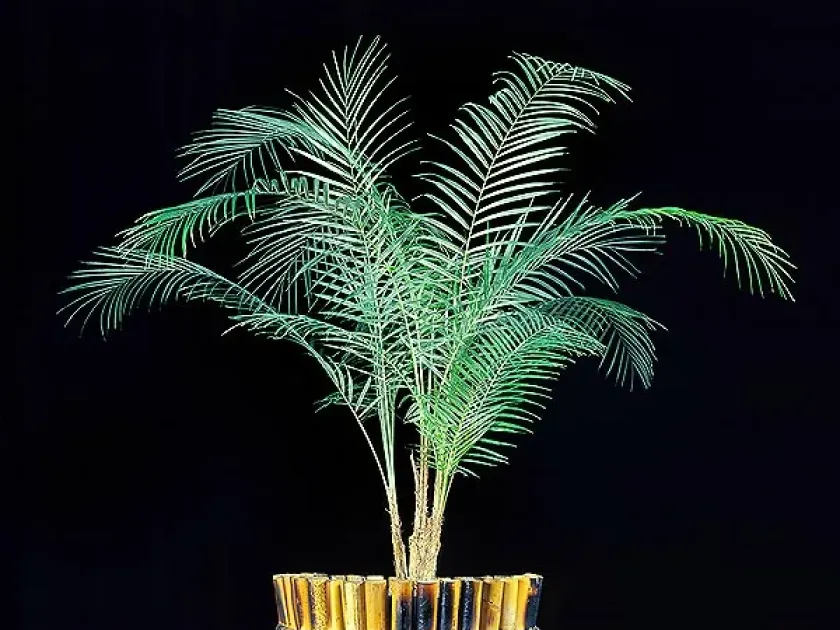
Weddell's microcoelum (Microcoelum weddellianum) is a small-sized pinnate palm species belonging to the Arecaceae family. Native to the tropical rainforests of Brazil, it is highly valued in horticulture for its fine, elegant foliage and compact growth habit.
The plant thrives in stable tropical conditions, requiring temperatures between 18 and 25 degrees Celsius. It is particularly intolerant of cold drafts and sudden temperature fluctuations, which can cause significant stress to the delicate fronds.
For optimal growth, the species requires well-drained, nutrient-rich soil with an acidic to neutral pH. A high-quality potting mix designed for palms, which includes components like peat, perlite, and bark, is ideal for maintaining proper root aeration.
Regarding light requirements, this palm prefers bright, indirect sunlight. Exposure to harsh, direct sunlight can result in scorched leaves, so it is best to position the plant in a spot where it receives filtered light throughout the day.
Humidity management is essential, as the species originates from humid environments. Maintaining air humidity levels above 60 percent is recommended, which can be achieved through regular misting or using an electric humidifier in dry indoor settings.
Main diseases and pests
Common health issues in Weddell's microcoelum are often caused by improper watering practices. Overwatering leads to root rot, which is the most frequent cause of plant decline, emphasizing the need for a strict moisture management routine.
Pests such as spider mites are major threats, especially in environments with low humidity. These insects feed on plant sap, causing the foliage to lose its vibrant color and eventually leading to tissue necrosis if not treated promptly.
Scale insects also pose a threat, often clustering in leaf axils where they are difficult to detect. These pests can weaken the plant, making it more susceptible to opportunistic secondary fungal infections and environmental stress.
Integrated pest management involves regular inspections of the fronds and stems. If an infestation is identified, mild insecticidal soaps or horticultural oils can be used to control the population without harming the sensitive leaf structures.
To prevent disease outbreaks, it is crucial to ensure good air circulation around the palm. Keeping the foliage clean and removing any dead or decaying matter helps maintain the overall vigor and resistance of the culture.