
Micrococca mercurialis
Micrococca mercurialis
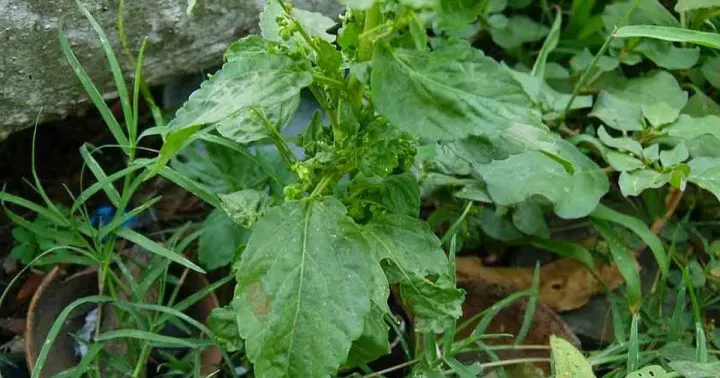
Description
Sowing dates
Micrococca mercurialis is an annual herbaceous species that thrives in warm climates, typically starting its growth cycle at the beginning of the rainy season.
When cultivating this species, seeds should be sown in well-drained, sandy-loam soil, ideally at a depth of 1-2 cm to facilitate uniform germination.
The time from sowing to emergence usually ranges from one to two weeks, provided that the soil moisture levels are consistent and warm temperatures are maintained.
For optimal results, spacing between plants should be sufficient to prevent crowding, which is essential to reduce the risk of diseases caused by poor ventilation.
Since the plant is highly sensitive to cold, sowing should be avoided until the threat of frost or chilly temperatures has completely passed.
Growing requirements
As a member of the Euphorbiaceae family, this plant prefers sunny locations with partial shade, especially during the intense heat of the day in tropical climates.
The plant performs best in soils that are rich in organic matter and possess an excellent drainage profile, as stagnant water is detrimental to the roots.
A consistent watering regime is crucial for healthy development, particularly during the active vegetative growth phase when the plant is building biomass.
Optimal ambient temperatures for Micrococca mercurialis are between 24 and 28 degrees Celsius, allowing for steady metabolic activity and growth.
Regular maintenance, including shallow cultivation of the soil around the plants, is recommended to ensure proper aeration and moisture retention.
Yield
The economic yield of Micrococca mercurialis is generally measured by the quantity of dried leaves and stems harvested during the plant's peak growth period.
While not a major commercial crop, it is valuable in localized traditional practices where the biomass is collected and processed for specific uses.
High yields are achievable when the crop is managed with appropriate nitrogen-based fertilization and consistent monitoring of soil health.
Harvesting should ideally occur just before the flowering stage, ensuring that the chemical composition and quality of the plant material are at their maximum.
Effective post-harvest handling, including prompt drying and clean storage, is essential to maximizing the usable yield from each cultivation cycle.
Main diseases and pests
Root rot is a primary threat to the crop, especially in conditions where soil moisture is not carefully managed or drainage is inadequate.
Powdery mildew and other fungal pathogens can infect the foliage in environments with high humidity and limited air movement between plants.
Insects like aphids can be problematic, causing damage to tender leaves and potentially transmitting viral diseases to the young plants.
Effective management includes implementing a strict crop rotation schedule to reduce the buildup of soil-borne pathogens and pests.
- Regular inspection for aphid infestations.
- Application of organic fungicides if necessary.
- Maintaining proper plant density for airflow.
- Prompt removal and disposal of diseased plant debris.
Harvesting
Harvesting is performed by manually cutting the aerial parts of the plant, ensuring that the main structure remains intact if secondary harvests are intended.
The material should be collected during dry weather, preferably in the morning, to minimize moisture content and speed up the drying process.
Once gathered, the biomass must be cleaned of impurities and sorted to ensure that only healthy, high-quality plant parts are kept for processing.
Drying is carried out in thin layers in a shaded, well-ventilated area to prevent degradation of the plant's active components by excessive heat or UV light.
Final storage involves placing the dried material in moisture-resistant containers, keeping them in a cool, dark, and dry environment until use.