
Microcharis asparagoides
Microcharis asparagoides
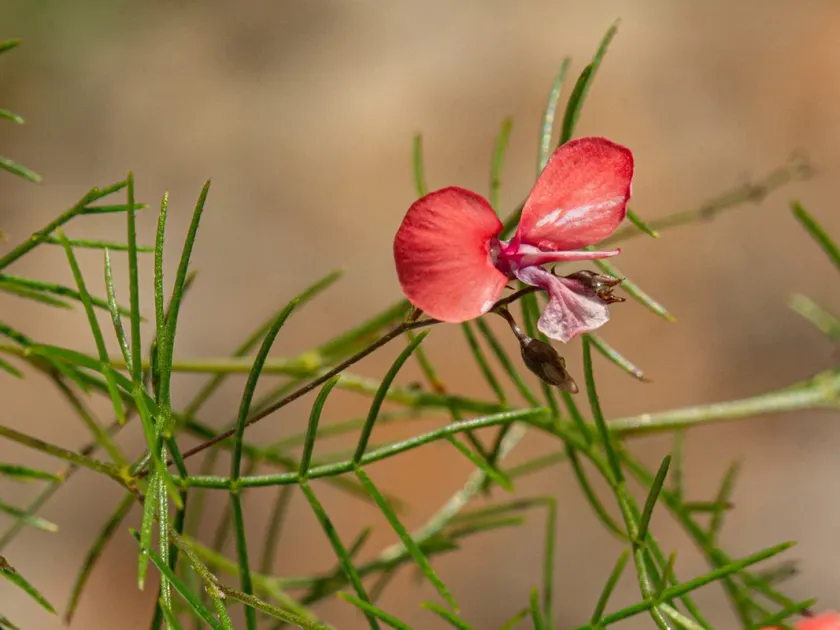
Description
Growing requirements
Microcharis asparagoides is a specialized herbaceous plant belonging to the Fabaceae family. Native to the diverse landscapes of Eastern Africa, this species has evolved unique morphological adaptations to thrive in semi-arid ecosystems where water availability is highly seasonal.
Botanically, the plant is distinguished by its slender, asparagus-like foliage which aids in transpiration reduction. Its root system is exceptionally efficient at nutrient uptake in nutrient-poor, sandy soils, supported by the symbiotic relationship with nitrogen-fixing bacteria in its root nodules.
Environmental requirements for this crop focus on high solar radiation and well-drained soil substrates. The plant does not tolerate waterlogging, which often leads to root rot and systemic physiological stress. Ideal soil conditions include neutral pH levels with minimal clay content to ensure oxygen penetration.
The climate suitable for its growth is characterized by significant heat, often ranging from 22°C to 30°C. Microcharis asparagoides is highly resilient to prolonged droughts, as it enters a state of dormancy during extreme water scarcity, allowing it to regenerate rapidly once moisture returns.
In terms of agricultural use, this species is primarily recognized for its potential as a pasture crop in regions where standard forage grasses fail. Its ability to enrich the soil with fixed nitrogen makes it a valuable candidate for sustainable soil improvement strategies in challenging arid regions.
Main diseases and pests
Root-knot nematodes constitute the primary threat to the stability of Microcharis asparagoides populations. These soil-borne pests disrupt root function and compromise the plant's ability to maintain nitrogen fixation, leading to significant stunted growth.
Leaf-spot pathogens present an additional risk during unseasonably wet periods. Effective management strategies involve ensuring adequate spacing between individual plants to prevent the accumulation of humidity and the subsequent development of leaf blight infections.