
Microcarpaea minima
Microcarpaea minima
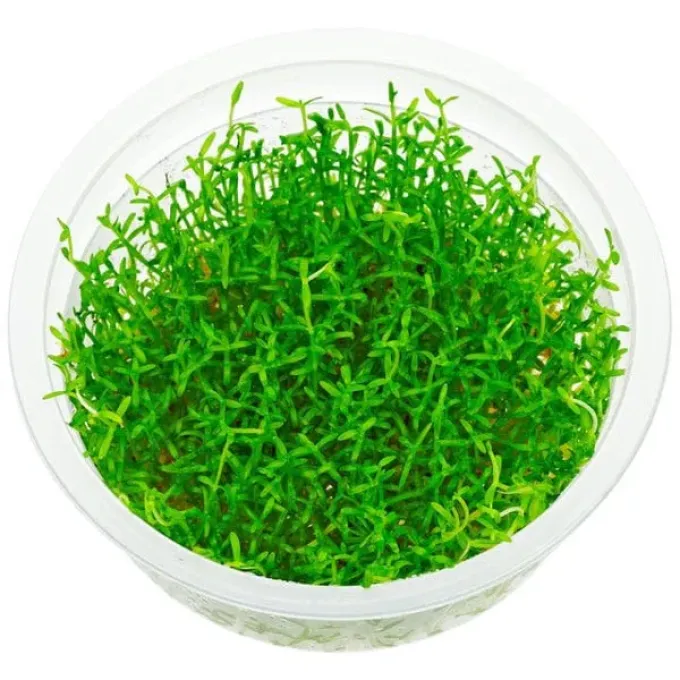
Description
Growing requirements
Microcarpaea minima is a delicate, small-sized herbaceous plant belonging to the Plantaginaceae family. It is recognized for its creeping growth habit and adaptation to saturated environments.
The plant originates from tropical and subtropical regions of Asia and Australia. It typically thrives in wet soils, paddy fields, and along the margins of freshwater bodies where moisture is constant.
Botanically, the plant displays sessile, opposite leaves and fine stems that are capable of rooting at the nodes. This morphological structure allows it to colonize wet substrates efficiently and form dense carpets.
Regarding climate requirements, Microcarpaea minima prefers warm temperatures and high humidity levels. It thrives best in well-lit areas with nutrient-rich aquatic or semi-aquatic substrates, mirroring its native swampy habitats.
In terms of agricultural and practical use, it is primarily categorized as an opportunistic weed in rice cultivation, although it serves as an attractive foreground plant in the specialized hobby of aquascaping.
Main diseases and pests
Environmental stress, particularly sudden drought or the drying out of its habitat, poses the most significant threat to the survival of Microcarpaea minima populations.
Pathogenic fungi are a common concern in stagnant water conditions, as they can lead to stem rot and systemic infection, causing the collapse of the plant's delicate vascular structures.
In an agricultural context, the use of herbicides targeting broadleaf or aquatic weeds on rice farms effectively eliminates this species, limiting its presence in commercial crop areas.
Herbivory by aquatic snails and certain insect larvae can significantly defoliate the plants, often leading to secondary infections at the sites of the mechanical injuries.
Water quality degradation, including high concentrations of fertilizers or changes in salinity, acts as a primary stressor that inhibits metabolic processes and weakens the plant against opportunistic diseases.