
Micranthus alopecuroides
Micranthus alopecuroides
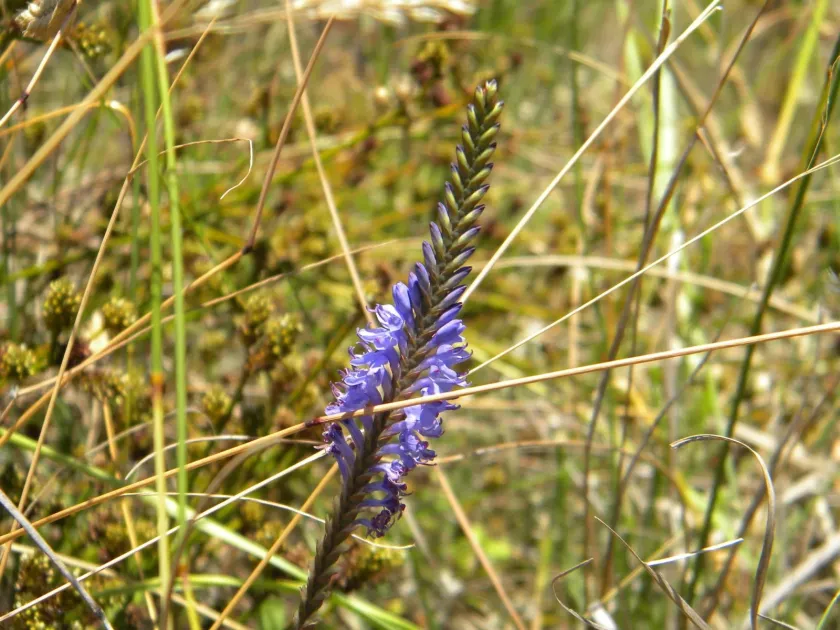
Description
Sowing dates
Micranthus alopecuroides, a member of the Iridaceae family, is a perennial bulbous plant with specific sowing requirements typical of its South African origin. Seeds are generally sown in autumn to align with the natural seasonal cycle, ensuring proper dormancy breaking before spring growth.
Soil temperature is a critical factor for successful germination, ideally ranging between 12 and 15 degrees Celsius. Seeds should be sown at a shallow depth of 2 to 3 centimeters, which protects them from desiccation while allowing sufficient light penetration for emerging sprouts.
The crop can be established using either row seeding or broadcast methods, depending on the scale of production and available agricultural machinery. High-precision seeders are recommended to achieve uniform plant distribution and optimal density, which reduces inter-plant competition.
Proper seedbed preparation is essential for this species, as it is sensitive to competition from aggressive weeds. The soil should be thoroughly cultivated and cleared of all perennial weed residues well in advance of the sowing date to create an ideal environment for seedling establishment.
Post-sowing soil compaction is advised to ensure optimal seed-to-soil contact, which is vital for moisture uptake during the initial stages of development. Consistent soil moisture must be maintained until the plants have developed a sufficient root system.
Growing requirements
Originating from South Africa, Micranthus alopecuroides is adapted to Mediterranean-style climates characterized by wet winters and dry summers. The species requires full sun exposure; shade results in etiolated growth and reduced flowering or biomass production capacity.
The plant thrives in well-drained, sandy, or sandy-loam soils with a neutral to slightly acidic pH level. Soil drainage is of the utmost importance, as stagnant water significantly increases the risk of bulb rot and fungal infections, which are lethal to this species.
Although the plant exhibits moderate drought tolerance, adequate moisture is required during the active growth phases to maximize biomass production. Excess nitrogen fertilization should be avoided, as it can cause weak stems and susceptibility to lodging, potentially reducing harvest quality.
The crop requires protection from extreme frost, especially in regions with bare soil during winter months. Organic mulching is a practical solution that helps regulate soil temperature, preserve moisture, and prevent the rapid cooling of the root zone.
Soil fertility management should focus on balanced phosphorus and potassium levels, which support strong bulb development and long-term plant health. Conducting soil tests before planting is highly recommended to tailor fertilizer applications to specific site conditions.
Yield
Micranthus alopecuroides is primarily cultivated for biomass, which can be utilized for various agricultural purposes. Yield potential is highest in well-established stands, typically reaching maturity after the second or third year of growth as the bulb clumps expand.
Productivity depends on maintaining the health and vigor of the bulbous root systems. Regular monitoring of stand density is necessary to identify any declines in plant vigor, which may require remedial actions such as soil aeration or targeted nutrient supplementation.
Efficient yield management involves careful grazing or harvesting protocols to avoid depleting the underground carbohydrate reserves of the bulbs. Excessive defoliation before the plant has completed its reproductive cycle can significantly diminish the crop's longevity.
Techniques such as controlled harvesting and proper irrigation strategies can lead to stable annual yields. Agronomists should observe the biomass growth rate and adjust nutrient management plans to ensure sustainable production throughout the lifecycle of the planting.
With correct management, the crop can provide stable returns over many years. Proper documentation of growth stages and yield metrics is essential for optimizing the production cycle of this unique and specialized agricultural crop.
Main diseases and pests
Soil-borne pests, particularly scarab beetle larvae, represent the primary threat to Micranthus alopecuroides. These larvae feed on the roots and bulbs, causing severe structural damage and increasing the plant's susceptibility to secondary pathogens.
Fungal diseases, including Fusarium-type rots, are prevalent under conditions of high humidity, poor soil drainage, or excessive organic matter. Implementing a robust drainage system and avoiding over-watering are key preventive measures against these soil-borne threats.
Viral infections transmitted by aphid vectors can cause significant leaf deformation and growth stunting. Management strategies include the early detection and control of insect vectors, as well as the immediate removal and destruction of infected plant material to limit disease spread.
Weed control is critical not only for resource competition but also because weeds can serve as reservoirs for diseases and pests. A proactive approach using integrated pest management (IPM) techniques is strongly advised to maintain crop health.
Regular phytosanitary monitoring is essential to ensure a high-quality, healthy stand. Rapid response to any sign of infection or pest presence is crucial for preventing widespread damage and maintaining the economic viability of the agricultural field.