
Metaxya rostrata
Metaxya rostrata
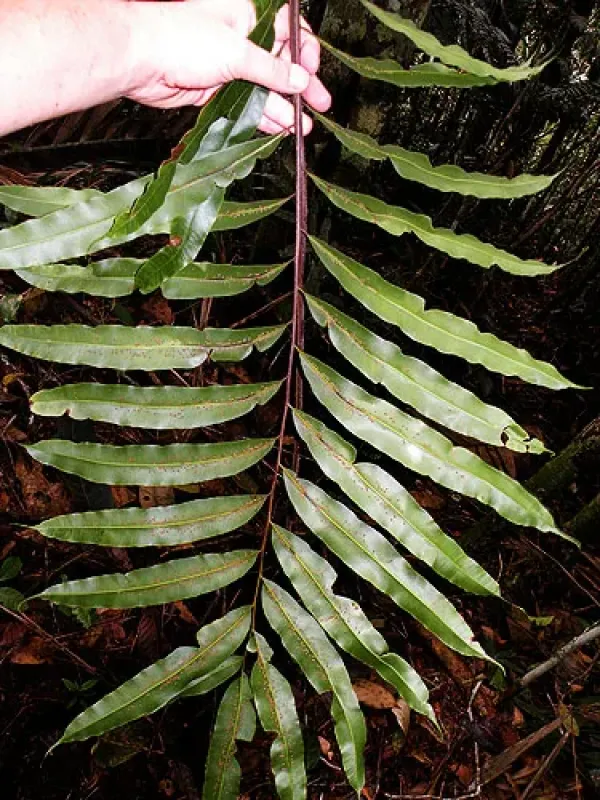
Description
Growing requirements
Metaxya rostrata is the sole species within the Metaxyaceae family, representing a distinct lineage of tropical ferns. Native to Central and South America, it primarily inhabits deep forest understories where humidity remains consistently high.
The cultivation of this fern requires a highly controlled tropical environment. Ideally, temperatures should be kept between 20°C and 27°C, with strict avoidance of cold drafts that can cause sudden leaf drop or necrosis.
Humidity management is the most critical factor for success. The plant thrives in environments with 75% relative humidity or higher. In professional nurseries, automated misting systems are often employed to maintain turgor pressure in the fronds.
Soil requirements involve a highly porous and acidic substrate. A mixture of peat moss, perlite, and shredded tree fern fiber or orchid bark is optimal for ensuring that roots receive adequate oxygen while retaining necessary moisture.
As a shade-loving species, it requires minimal light intensity. High light exposure will typically result in the bleaching of the fronds and subsequent cellular damage, making it unsuitable for bright, direct-light areas.
Main diseases and pests
Pathogenic fungi represent the primary threat to Metaxya rostrata, particularly when air circulation is poor. Overwatering leads to root rot, which often goes unnoticed until the plant shows visible signs of collapse.
Mealybugs are common pests that tend to hide in the crevices of the rhizome and the base of the fronds. Their presence is often indicated by white, cotton-like masses, necessitating immediate mechanical or chemical intervention.
Spider mites pose a significant risk during drier periods of the year. These microscopic pests feed on the sap of the leaves, causing stippling patterns and eventual leaf desiccation if not treated promptly.
Scale insects can also colonize the stalks of the fern, causing stunted growth. Proactive scouting and the use of horticultural oils are standard methods for controlling these infestations in indoor setups.
Prevention involves maintaining good plant hygiene by removing aging or damaged fronds, which can attract pests and serve as a substrate for opportunistic fungal pathogens.