
Siberian bluebells
Mertensia sibirica
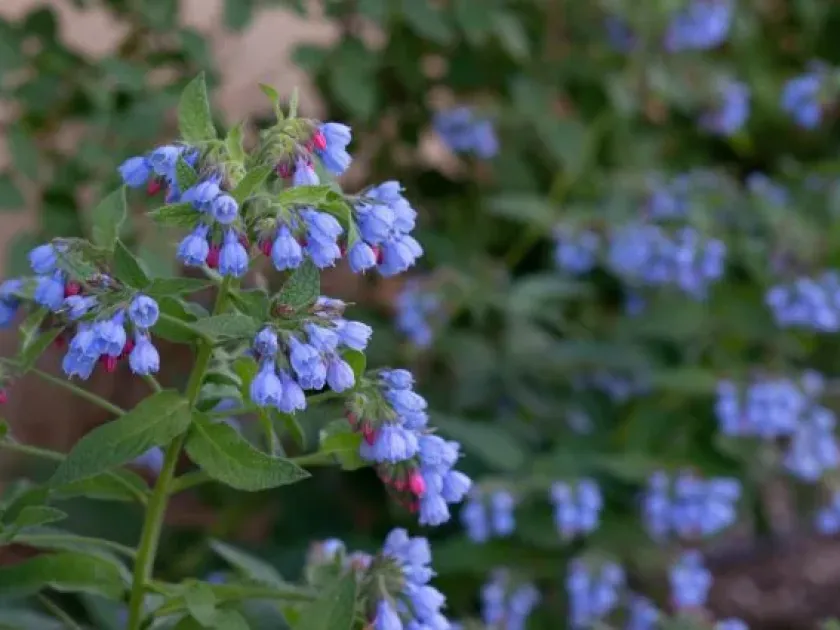
Description
Sowing dates
Siberian bluebells, known botanically as Mertensia sibirica, belong to the Boraginaceae family. The most effective way to start the crop is through autumn sowing, which allows for natural cold stratification.
If spring sowing is preferred, seeds must be stratified in a cold environment (2-5 degrees Celsius) for at least 4-8 weeks before planting to break dormancy.
Seeds should be sown in a well-draining, nutrient-rich soil mix, covered lightly with a thin layer of substrate, as they require some light to germinate effectively.
Maintaining consistent moisture is critical during the germination phase, as the seeds are highly sensitive to surface drying.
Seedlings should be transplanted to their permanent location once they develop their first true leaves and have established a robust root system.
Growing requirements
The plant thrives in cool, temperate climates and performs best in partial shade, mimicking its natural habitat in forest edges and alpine meadows.
Rich, loamy soils with high organic matter content and a slightly acidic to neutral pH are ideal for optimal plant health and blooming.
Siberian bluebells are highly cold-tolerant perennials, capable of surviving harsh winters provided they are not left in waterlogged soil during freezing.
Consistent moisture is necessary throughout the growing season; therefore, mulch can be applied to retain soil humidity and suppress weeds effectively.
Proper airflow is essential for this species, so planting distances should be observed to prevent overcrowding and maintain plant vigor.
Main diseases and pests
The primary threats to this culture are fungal diseases, particularly powdery mildew, which can develop in areas with poor circulation and high humidity.
Root rot is a significant risk if the planting site lacks proper drainage, especially in heavy clay soils that retain excessive water during rainy spells.
Aphids are common pests that may infest the soft, succulent foliage and flower spikes, causing stunted growth if not managed promptly.
Slugs and snails can severely damage young shoots, necessitating the use of traps or barriers during the early spring growth phase.
Integrated pest management, including regular inspections and the use of botanical or biological control agents, is recommended to keep the plants healthy.