
Arizona bluebells
Mertensia arizonica
Description
Growing requirements
Arizona bluebells (Mertensia arizonica) is a perennial herbaceous plant belonging to the Boraginaceae family. It is native to the mountainous terrains of the Southwestern United States, where it thrives in rocky, well-draining soils.
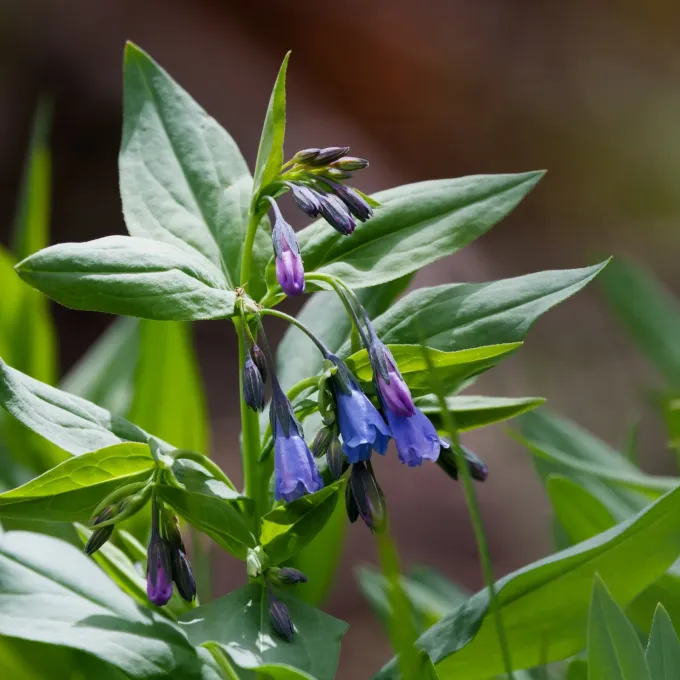
The plant is characterized by its glaucous foliage and vibrant, bell-shaped flowers that bloom in clusters. It typically grows to a height of 30 to 60 cm, making it a compact and highly attractive addition to perennial garden borders.
In terms of soil requirements, this species demands loose, nutrient-rich substrate with excellent drainage. It is highly sensitive to waterlogging, so it is recommended to amend heavy soil with gravel or sand to ensure proper root aeration.
The species prefers cool, shaded or semi-shaded environments, mimicking its natural mountain habitat. While it is hardy, it benefits from a layer of organic mulch during the dormant season to protect the roots from extreme temperature fluctuations.
Cultivation of this plant is primarily focused on ornamental purposes. It is widely used in rock gardens, woodland displays, and naturalistic landscape designs where a touch of delicate blue or purple color is desired.
Main diseases and pests
The primary threats to Mertensia arizonica include various fungal infections triggered by excessive soil moisture. Root rot is the most common issue that can lead to the quick decline of the plant if not managed properly.
Pests such as aphids and spider mites can infest the foliage, particularly during dry, warm spells. Regular inspection is necessary to catch infestations early before they cause significant damage to the plant's health.
Powdery mildew can become a problem if the plants are placed too close together or if airflow is restricted. Proper spacing is essential to maintain the health of the leaves and stems throughout the growing season.
Slugs and snails may attack tender new growth in the early spring. Gardeners often use non-toxic deterrents to protect young shoots, as the foliage is highly palatable to these common garden pests.
Effective management includes removing dead leaves and clearing debris around the plant base to prevent the accumulation of moisture and pathogens. This simple sanitation practice is vital for long-term plant vitality.