
Mertensia
Mertensia
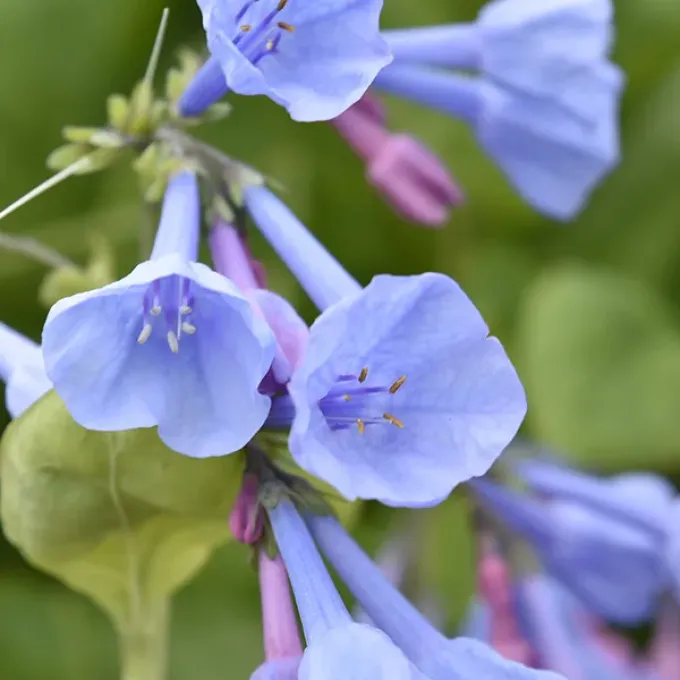
Description
Sowing dates
Mertensia, a member of the Boraginaceae family, is typically propagated via seeds or rhizome division. Sowing seeds directly into open ground is best done in late autumn, as the seeds require a period of natural cold stratification to germinate successfully.
For spring sowing, seeds must undergo artificial stratification in a refrigerator for one to two months. The optimal depth for sowing is between 0.5 and 1 cm, which ensures consistent germination rates across the planting site.
When propagating by division, the process should be planned for early spring or autumn while the plant is dormant. Each division must possess a healthy root system and at least one growth bud to ensure rapid establishment.
The planting density depends on the specific variety, but a spacing of 30–40 cm between plants is generally recommended. Proper spacing is crucial to ensure adequate airflow, which prevents the development of fungal diseases in dense clumps.
Site selection is a vital aspect of cultivation; the plant prefers partial shade or dappled light. Intense midday sun can scorch the delicate foliage of most Mertensia species, reducing their overall aesthetic value.
Growing requirements
Mertensia has specific moisture requirements, favoring loose, humus-rich soil with high water-retention capacity. However, waterlogging is detrimental to the plant, so effective drainage is a non-negotiable requirement for long-term survival.
The ideal soil pH is slightly acidic to neutral (pH 6.0–7.0). Excessively alkaline soils may require the addition of peat or coniferous mulch to adjust the composition to a more suitable range for the species.
As a hardy, cold-tolerant culture, Mertensia is well-adapted to temperate climates. It can withstand significant frosts, making it an excellent candidate for gardens in regions with harsh winters and shorter growing seasons.
During the active growth and flowering phase, plants require regular but moderate irrigation. Allowing the soil to dry out completely negatively affects the foliage, often causing premature yellowing and leaf drop.
To support soil fertility, application of balanced mineral fertilizers is recommended at the beginning of the growing season. Organic top-dressing, such as compost, applied as mulch in spring helps maintain both soil structure and moisture levels.
Main diseases and pests
Root rot is the primary threat to Mertensia, usually caused by improper watering regimes and poor drainage. If wilting occurs, it is essential to apply fungicides and immediately improve soil aeration to save the plant.
Slugs and snails can cause significant damage to the succulent leaves, particularly during damp weather. Control measures include gravel mulching or the use of physical barriers to protect the foliage from these common garden pests.
In overly dense plantings, powdery mildew may develop, appearing as a white fungal coating on the foliage. Timely thinning of the clumps and the use of organic bio-fungicides help effectively manage and suppress these outbreaks.
Aphids occasionally target the tender tips of young shoots, sucking sap and causing leaf deformation. Infestations are typically managed through the application of insecticidal soaps or systemic insecticides when necessary.
Prevention of diseases involves strict crop rotation and adherence to best gardening practices. It is advised to avoid planting Mertensia in areas where other members of the Boraginaceae family have recently grown to prevent pathogen buildup.
Harvesting
Seed harvesting should be performed as the capsules mature, a process that is often extended over several weeks. To prevent unwanted self-seeding, the capsules should be collected as soon as they begin to turn brown.
For ornamental purposes, harvesting mainly involves the deadheading of spent flower stalks. This practice redirects the plant's energy from seed production toward strengthening the rhizome and root system for the next season.
When cultivated for culinary or medicinal use, such as with the Oyster Leaf (Mertensia maritima), leaves are harvested during the flowering period when the concentration of essential compounds is at its peak.
Harvesting is performed by cutting the leaves with a sharp, sterile tool while ensuring the central root system remains intact. The harvested material should be processed immediately to preserve flavor and nutritional quality.
In autumn, following the natural senescence of the foliage, the site should be cleared of all dead plant matter. This housekeeping task is essential to reduce the overall disease pressure and prevent pests from overwintering in debris.