
Mericarpaea ciliata
Mericarpaea ciliata
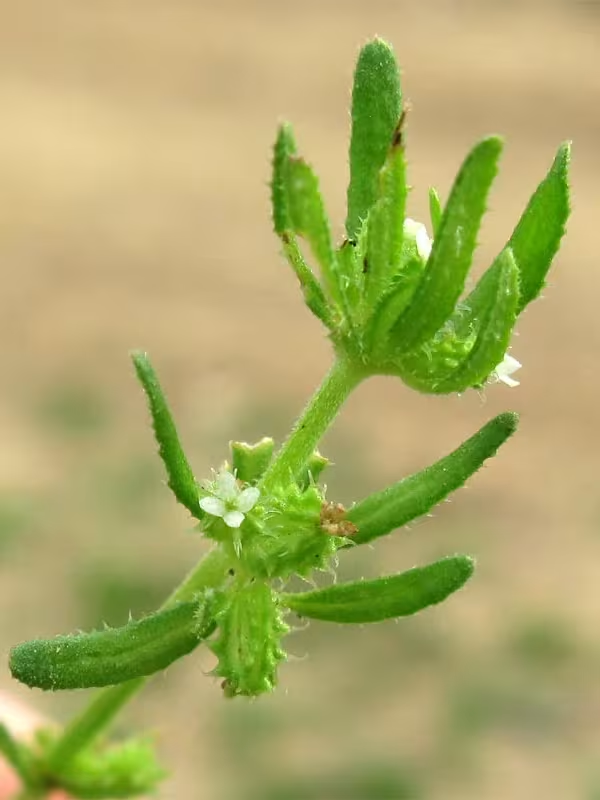
Description
Growing requirements
Mericarpaea ciliata is a distinctive herbaceous species belonging to the Rubiaceae family. As an annual plant, it has evolved unique survival strategies to thrive in the harsh environments of its natural range, which primarily includes parts of the Caucasus and Western Asia.
The plant is typically found in arid and semi-arid regions, favoring rocky slopes, talus, and stony soils. Its ability to colonize such challenging habitats demonstrates a high degree of drought tolerance, which is a common trait among many members of the Rubiaceae family in desert-like conditions.
Botanically, Mericarpaea ciliata is characterized by its pubescent foliage and small, clustered flowers. The plant's structure allows it to minimize water loss, and its reproductive cycle is synchronized with the short periods of moisture availability characteristic of its habitat.
Regarding cultivation requirements, the species performs best in well-drained, calcareous soils with high solar exposure. It is highly sensitive to soil compaction and waterlogging, making it unsuitable for traditional high-input agricultural systems but suitable for ecological restoration of rocky terrain.
Currently, Mericarpaea ciliata is not a commercial crop and is primarily valued for its role in botanical diversity and ecosystem health. Further research into its physiological traits may reveal potential uses in xeriscaping or as a pioneer species in land reclamation projects.