
Melodorum leichhardtii
Melodorum leichhardtii
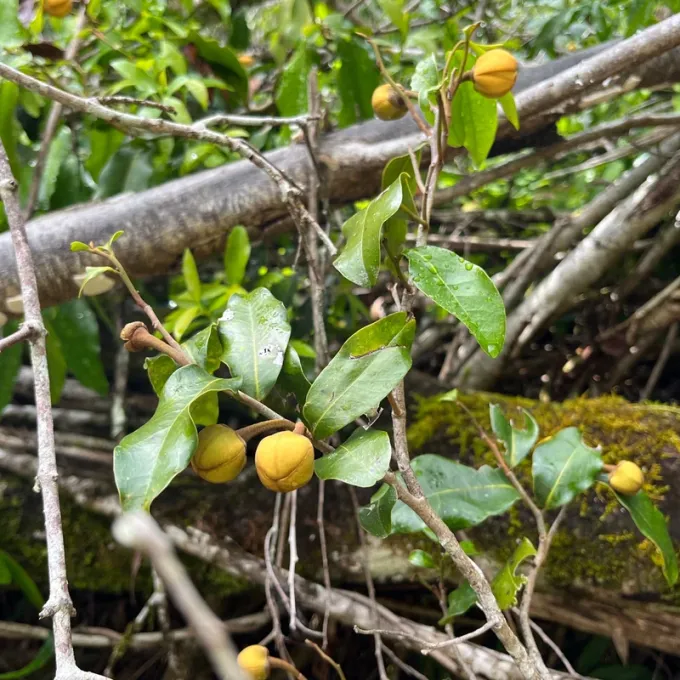
Description
Growing requirements
Melodorum leichhardtii is a perennial woody plant species belonging to the family Annonaceae. Native to the rainforests of eastern Australia, this plant is naturally adapted to shaded forest understories, which dictates its preference for specific light conditions.
The botanical structure of the plant features evergreen, leathery foliage that provides a distinct ornamental appeal. Growth rates are characteristically slow, necessitating a long-term approach to cultivation and management in a controlled agricultural setting.
Successful cultivation requires soil that is rich in organic matter and maintains excellent drainage. A slightly acidic soil reaction is considered ideal for nutrient uptake, ensuring the plant receives necessary minerals for its slow but steady development.
Climatic requirements are strict: the plant thrives in environments with high humidity and consistent, warm temperatures. It is highly susceptible to chilling injury, making it unsuitable for areas prone to frost or temperatures below 10 degrees Celsius.
Agricultural management includes precise irrigation to avoid waterlogging the root system, which is a common stress factor for species in the Annonaceae family. Mulching is recommended to stabilize soil moisture levels throughout the growing season.
Yield
The economic value of Melodorum leichhardtii is primarily linked to its role in botanical collections and niche landscaping. While it produces fruit, it is not currently classified as a major commercial food crop, though it remains a subject of horticultural interest.
Yields are heavily dependent on the plant's health and environmental consistency. In professional nurseries, focus is placed on maintaining a balance between vegetative growth and potential reproductive cycles by monitoring light exposure.
Fertilization regimes should be based on controlled-release fertilizers applied during the peak of the growing season to prevent rapid, tender growth that might be vulnerable to environmental stress or pathogens.
Harvesting of the fruit is conducted selectively once the fruit reaches maturity, often indicated by subtle changes in aroma and firmness. Proper post-harvest handling is essential to preserve the fruit's quality for scientific study or specialized consumption.
As interest in Australian native flora grows, refined agronomic practices continue to be developed to enhance the survival and productivity of this species in both greenhouse and outdoor tropical environments.