
Melliniella micrantha
Melliniella micrantha
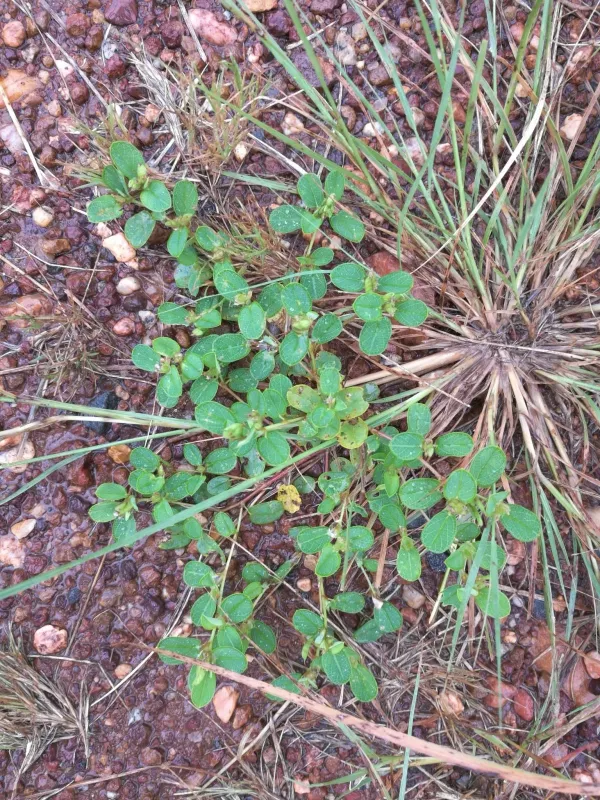
Description
Sowing dates
Sowing Melliniella micrantha requires careful planning based on local climate conditions to ensure the seeds establish successfully in the field.
The ideal planting window begins in early spring when soil temperatures reach a consistent 10-12 degrees Celsius to promote uniform germination.
Seeds should be planted at a shallow depth of 1-2 centimeters to ensure they have enough energy to emerge without being buried too deep in the soil.
Proper spacing is crucial to prevent competition between individual plants and to allow for adequate airflow throughout the growing season.
For gardeners or controlled farming, starting seeds in greenhouses allows for a head start, ensuring stronger seedlings before moving them to the field.
Growing requirements
As a member of the Asteraceae family, this plant thrives in specific environmental conditions that mimic its natural habitat characteristics.
The culture prefers well-draining, light-textured soils such as sandy loams, which prevent moisture accumulation near the root system.
Melliniella micrantha is highly sensitive to light levels and performs best when planted in full sun, avoiding areas shaded by larger trees or structures.
While the plant is moderately drought-tolerant once established, it requires consistent moisture during the early seedling stages to develop a strong root system.
Application of organic matter or balanced fertilizers significantly improves the plant's overall vigor and resistance to environmental stress.
Yield
Crop yield for Melliniella micrantha is largely determined by the management of soil fertility and the frequency of field maintenance practices.
Optimizing the population density per hectare is essential for maximizing the vegetative mass, which is often the primary goal for this type of cultivation.
Seed production is influenced by the proximity of pollinators and the health of the flower heads during the critical pollination phase.
Regular monitoring of plant health allows for the early detection of yield-limiting factors, ensuring that the crop reaches its full potential.
Consistent irrigation and weed control are the two most critical factors in securing a reliable and high-quality harvest at the end of the season.
Main diseases and pests
Common agricultural threats include soil-borne pests that target young roots, which can lead to seedling failure if not addressed preventively.
Fungal pathogens such as powdery mildew can develop if the planting site lacks adequate ventilation or if local humidity remains high for extended periods.
Aphids are a frequent pest that can colonize the leaves, potentially reducing the photosynthetic capacity and weakening the overall plant.
Implementing a strict crop rotation schedule helps reduce the accumulation of soil-borne diseases and pests specific to the Asteraceae family.
Applying integrated pest management strategies, including the use of beneficial insects, can effectively control pest populations without heavy chemical use.
Harvesting
Harvest timing depends on whether the crop is intended for biomass production or for collecting the seeds for the next planting season.
When harvesting for green fodder, the plants should be mown during the peak flowering stage to capture the highest nutritional value.
Seed harvesting should occur when the flower heads have transitioned to a brown color and the seeds have fully matured and dried on the stalk.
Careful handling during the harvest process is necessary to minimize physical damage to the plant structures, especially when collecting seeds.
Post-harvest processing involves thorough drying in a ventilated environment to ensure that the product is stable for long-term storage.