
Melasma melampyroides
Melasma melampyroides
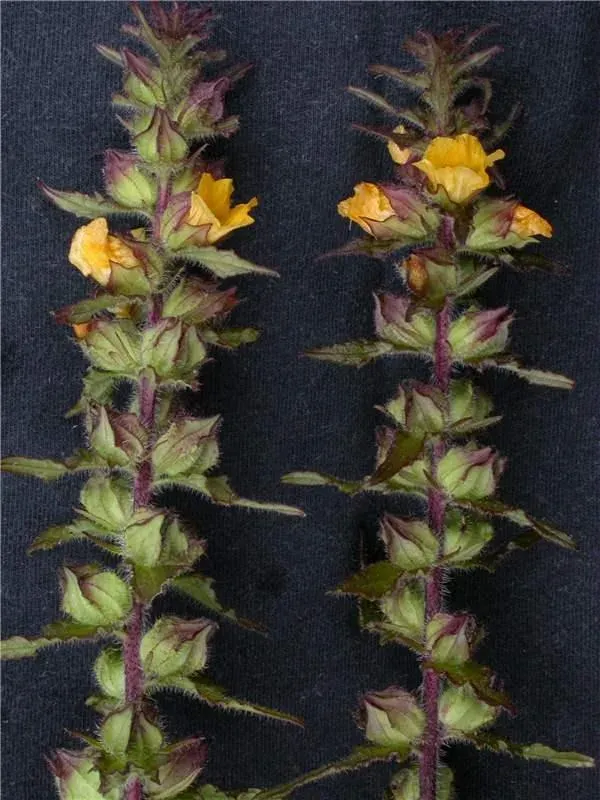
Description
Sowing dates
Melasma melampyroides belongs to the Orobanchaceae family and is recognized as a hemiparasitic plant. In agricultural practice, it is handled more as a specialized botanical subject rather than a standard commercial crop.
The life cycle of this plant is dependent on the root systems of host plants. Sowing must be meticulously synchronized with the planting or emergence of the host to ensure that the seedlings can establish necessary connections through haustoria.
Seeds of Melasma melampyroides possess innate dormancy mechanisms, requiring precise temperature stratification before they can successfully germinate. Sowing is typically performed in late spring when the soil has reached optimal thermal conditions.
The placement of seeds is critical; they should be sown near the host plant's rhizosphere. Due to the small size of the seeds and their limited energy reserves, shallow placement is essential for successful emergence.
Cultivation trials emphasize the importance of maintaining an appropriate ratio between the parasite and the host. Overcrowding can lead to excessive competition, which may negatively impact both the development of the host and the success of the parasite.
Growing requirements
This species thrives in well-drained, fertile soils with a neutral pH balance. Drainage is the most critical soil requirement, as waterlogging can cause immediate failure of the root connections and lead to fungal infections.
Climate requirements include a stable, temperate environment with moderate humidity levels. The plant is sensitive to sudden temperature fluctuations, which can disrupt the delicate metabolic exchange between the parasite and the host.
Sunlight exposure is vital for the plant to carry out its own photosynthesis while augmenting nutrients from the host. Areas with high solar radiation are preferred, provided that the soil moisture remains consistent throughout the growing season.
The nutritional status of the soil must support both the host and the hemiparasite. A balanced application of organic fertilizers can enhance the overall vigor of the host plant, indirectly benefiting the establishment of the parasite.
Weed management should be conducted carefully to avoid disturbing the host plant's root zone. Integrated weed control methods that prioritize manual removal over heavy chemical use are recommended to protect the integrity of the ecosystem.
Main diseases and pests
Root pathogens represent the most significant threat to Melasma melampyroides. Fungal agents, such as Rhizoctonia and Fusarium, can quickly destroy the connection between the plant and its host, leading to rapid decline.
Soil-borne insect pests, particularly wireworms and root aphids, pose a constant risk. These pests not only damage the host's roots but also create entry points for pathogens that further stress the hemiparasitic plant.
Viral infections transmitted by sap-sucking insects like aphids are a major concern. These viruses can significantly reduce photosynthetic efficiency, stunting the growth and reproductive capacity of the plant.
Extreme environmental conditions, including prolonged drought or heavy rain, can severely impact the host-parasite relationship. Drought reduces the sap flow from the host, leaving the parasite without sufficient nourishment.
Proactive monitoring and the use of healthy, disease-free host plant material are the cornerstones of successful protection. Maintaining biodiversity in the field helps manage pest populations and reduces the overall impact of diseases.