
Snow squarestem
Melanthera nivea (L.) Small
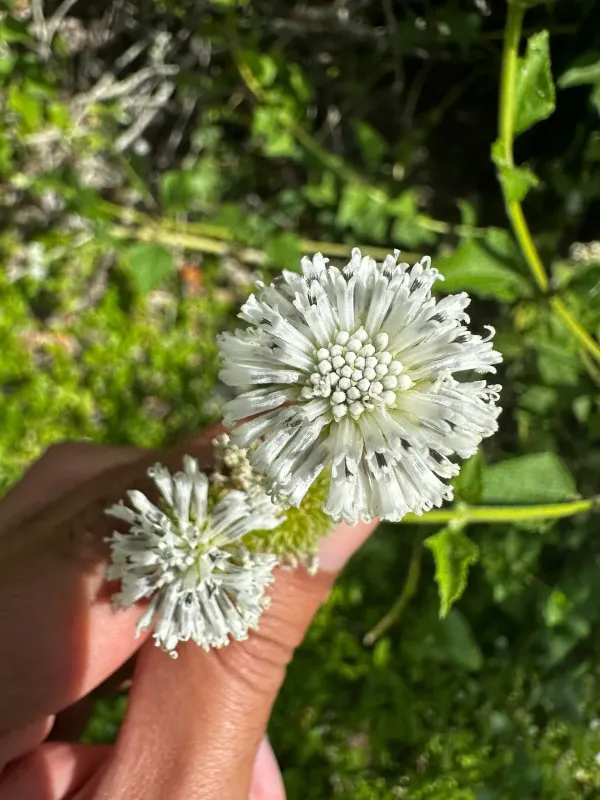
Description
Growing requirements
Snow squarestem (Melanthera nivea) is a perennial herbaceous plant belonging to the Asteraceae family. In agricultural practice, this species is noted for its vigor and adaptability to varying environmental conditions within tropical and subtropical regions.
Originating from the Americas, the plant thrives in well-drained soils ranging from sandy loams to heavier soil textures. It prefers a neutral pH and benefits significantly from areas with high solar exposure, which facilitates its rapid growth and biomass accumulation.
Climatic requirements are focused on warm temperatures. The plant requires consistent moisture during the early vegetative stages, but once established, it demonstrates moderate drought tolerance. It is sensitive to frost, which limits its perennial growth to warmer latitudes.
Agronomic management involves standard practices such as soil cultivation to enhance aeration and periodic fertilization. Effective weed control is often naturally achieved due to the rapid closure of the plant canopy, which shades out competing species.
The primary agricultural use of the plant is as a source of forage biomass. Its nutritional properties and ability to produce multiple cuttings per season make it a valuable asset for livestock feeding systems in Mediterranean or tropical climates.
Main diseases and pests
The main threats to the health of the crop include fungal pathogens that affect the root system, particularly when soil drainage is poor. Improving soil structure and managing irrigation frequency are critical steps in mitigating these soil-borne diseases.
Insect pests such as leaf miners and various caterpillars can impact leaf health. Implementing an integrated pest management (IPM) program, focusing on scouting and biological control agents, is recommended to ensure high yields and plant vigor.