
Megacodon stylophorus
Megacodon stylophorus
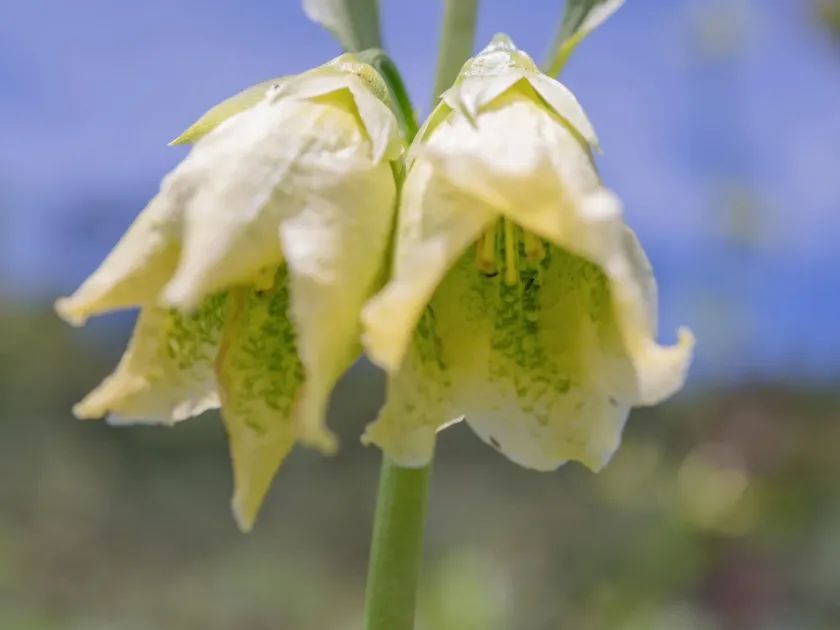
Description
Growing requirements
Megacodon stylophorus is a remarkable perennial herb belonging to the Gentianaceae family. It is native to the high-altitude environments of the Himalayas, thriving in cool, moist, and mountainous terrains.
The cultivation of this plant requires a precise simulation of its natural habitat. It performs best in nutrient-rich, well-draining soils that contain a significant portion of organic matter, such as leaf mold or peat.
Temperature management is critical for the survival of this species. It prefers cool temperatures and high humidity levels throughout its growing cycle, as extreme heat often leads to physiological stress and premature dormancy.
Lighting conditions should be carefully controlled; filtered light or dappled shade is ideal. Avoid direct exposure to intense noon sun, which can cause scorching of the foliage and rapid moisture loss from the soil.
Providing adequate air circulation is essential, especially when grown in containers or confined garden spaces, as stagnant air increases the risk of fungal proliferation and other environmental stressors.
Main diseases and pests
The primary threat to Megacodon stylophorus in cultivation is root rot, typically caused by waterlogged soil conditions or poor drainage. This condition is often exacerbated by soil-borne pathogens during periods of low light.
Pests such as slugs and snails are highly attracted to the succulent-like foliage of this species. These gastropods can cause severe damage to the plant's structural integrity if left unchecked.
Aphids can also occasionally colonize the soft, new growth, leading to deformation of leaves and potentially transmitting viral diseases, which necessitates careful monitoring during the active growth phase.
Integrated pest management is recommended to mitigate threats. Utilizing organic barriers against mollusks and monitoring for insect infestations can significantly improve the longevity and health of the specimens.
Maintaining a strictly clean growing environment is vital. Removing decaying plant material and keeping the surrounding soil free of debris helps in preventing the colonization of opportunistic fungi and bacteria.