
Mauritiella aculeata
Mauritiella aculeata
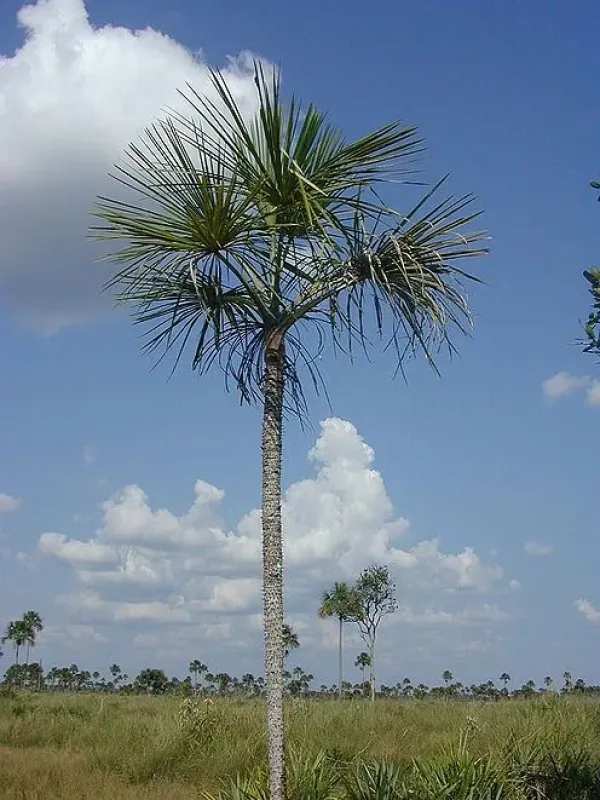
Description
Growing requirements
Mauritiella aculeata is a distinct species within the Arecaceae family, native to the tropical regions of South America. This palm is known for its slender, spine-covered trunks and its ability to thrive in seasonally flooded forests and swampy landscapes.
Botanically, it features pinnate or fan-shaped leaves that are highly efficient at light capture in dense forest environments. The defensive spines on the trunk serve as a primary mechanism to protect the plant from local herbivorous mammals found in its habitat.
Regarding climate, Mauritiella aculeata requires a hot, humid tropical environment without any risk of frost. It is strictly adapted to regions with high rainfall and stable year-round temperatures, as it lacks the physiological mechanisms to cope with cold stress.
The soil requirements focus on moisture retention and high organic content. The palm performs best in hydromorphic soils where water saturation is common, allowing its specialized root system to access nutrients effectively even in anaerobic conditions.
Agrotechnical management involves selecting sites with high humidity and ensuring that young plants are protected from intense direct sunlight until they become established. Once mature, the plants are quite resilient to the environmental stresses of their native wetlands.
Yield
The yield of Mauritiella aculeata consists of clusters of small, scale-covered fruits that are dense in nutritional value. These fruits are harvested both for local consumption and for extracting oils, which contain essential fatty acids.
Harvesting is labor-intensive due to the physical protection of the palm's spines. Specialized gear and careful handling are required to access the fruit clusters without damaging the tree or risking injury to the harvesting crew.
Productivity levels depend on the density of the palm stands and the availability of water during the fruit development stage. Consistent moisture levels throughout the year are the primary driver of high fruit set and consistent annual harvests.
In managed systems, thinning out competing vegetation around the palm bases can significantly improve the nutrient uptake and overall fruit quality. Monitoring the plant's health during the flowering stage is essential for optimizing the final harvest yield.
Post-harvest management is crucial, as the fruits have a relatively short shelf life if kept in high-temperature conditions. Processing them into oil or pulp preserves the nutritional content and increases their economic shelf life significantly.
Main diseases and pests
The main biological threats to Mauritiella aculeata include various wood-boring insects and weevils that target the soft apical meristem or the trunk itself. Infestations in the growth point are frequently fatal if not addressed early.
Fungal diseases are a persistent risk in humid environments, particularly those affecting the root system or causing foliar blight. Proper site selection to ensure good airflow can mitigate the spread of these pathogens among dense palm stands.
Rodents and other small mammals may pose a threat to seed germination and young seedling survival. In commercial or conservation nurseries, protective mesh or barriers are often necessary to ensure the healthy establishment of new palms.
Environmental degradation, such as improper water management or the introduction of invasive weeds, can suppress the growth of young palms. Regular clearing of competition is necessary to allow the palm sufficient access to light and minerals.
Integrated pest management strategies focusing on biological control are preferred over synthetic pesticides, as these palms are often part of sensitive tropical ecosystems. Keeping the plants vigorous through appropriate watering is the best primary defense against disease.