
Mattiastrum
Mattiastrum
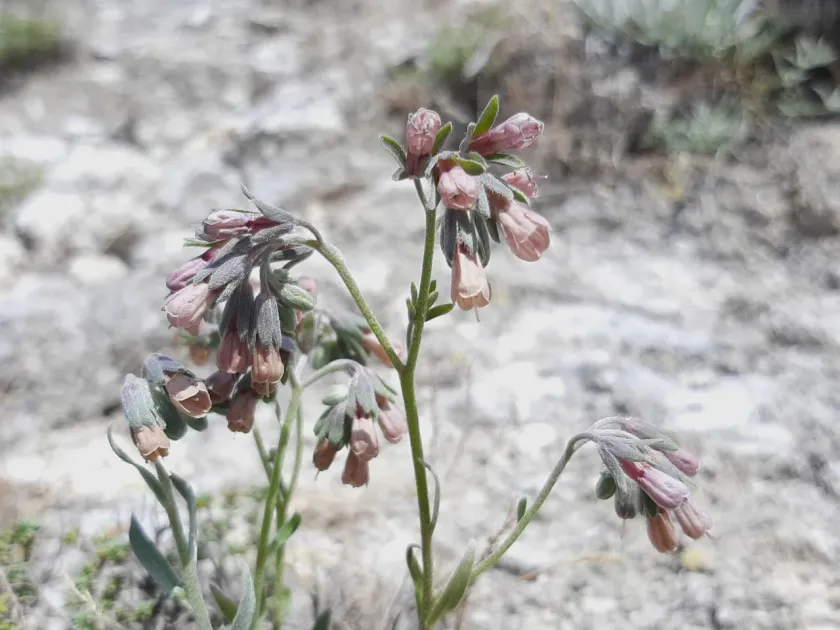
Description
Sowing dates
Mattiastrum is a perennial herb belonging to the Boraginaceae family. In agricultural and horticultural practice, seeds are typically sown in late autumn or early spring. Stratification is often required to break seed dormancy and ensure uniform germination across the field.
Seeds should be planted at a shallow depth of 1–2 centimeters, as small seeds require consistent warmth and adequate light for successful emergence. A row spacing of 30–40 centimeters is recommended to allow each plant sufficient room to develop its root system and foliage.
Preparing the seedbed is a critical step; Mattiastrum thrives in loose, well-draining soil. Heavy soils must be amended with sand or organic matter to prevent compaction, which can impede initial root growth and lead to seedling failure during the early stages.
Germination can be a slow process, necessitating stable soil moisture until the plants have established their true leaves. The use of mulch is highly encouraged during the first weeks to protect the soil surface from crusting and to maintain constant humidity around the developing embryos.
In professional nursery settings, transplanting seedlings after the development of two sets of true leaves is a common practice. This approach allows growers to better manage the early stages of development and ensures a more uniform plant stand in the production area.
Growing requirements
Mattiastrum is highly adapted to arid and semi-arid conditions, making it an excellent candidate for low-input farming. The plant requires full sun exposure; shade significantly reduces the vigor of the plant, leading to poor flower production and weak, etiolated stem growth.
While Mattiastrum is not strictly dependent on fertile soil, it performs best in light, sandy, or rocky substrates with a neutral to slightly alkaline pH. Excessive nitrogen fertilization is discouraged as it often leads to succulent, fragile growth that is susceptible to lodging and pests.
Water management is centered on avoiding waterlogged conditions. The plant features a deep taproot that makes it highly drought-resistant once established. Poor drainage is the most common cause of root rot, which can quickly wipe out entire stands in rainy or low-lying areas.
The plant is relatively hardy and can tolerate cool winters provided that soil drainage remains efficient. During the growing season, Mattiastrum is capable of withstanding prolonged heatwaves, as its leaves are often adapted to minimize water loss through transpiration.
Maintenance involves routine weeding during the first year of growth to ensure the plant is not outcompeted by aggressive weeds. After the first season, Mattiastrum typically forms a robust clump that is capable of competing effectively for light and nutrients.
Yield
Mattiastrum is primarily cultivated for its ornamental value or specialized botanical uses. Productivity is measured by the density of flowering stems per hectare and the longevity of the plant in the field. Biomass production peaks just before full anthesis.
Yield stability depends heavily on the timing of harvest for both biomass and seeds. For seed production, growers must closely monitor the color of the capsules; harvesting at the right moment ensures maximum yield before natural dehiscence occurs, which can lead to significant field losses.
In ornamental production, the goal is to maximize the number of uniform, healthy inflorescences. Proper density control and timely removal of dead plant parts can help ensure that the energy is diverted toward flower production rather than vegetative growth.
The economic viability of Mattiastrum is linked to its low resource consumption. Because it requires minimal irrigation and fertilizer, it provides a stable return even in marginal lands where traditional row crops struggle to produce profitable yields.
Harvesting for dried flowers is another niche market for Mattiastrum. Yield in this context is based on the quality of the stems: they should be straight, free of disease, and harvested when the flowers are in the early stages of opening for optimal aesthetic results.
Main diseases and pests
Fungal diseases, particularly powdery mildew, are the primary threat during seasons with high humidity. Ensuring adequate airflow between plants by proper spacing is the most effective preventative measure against such outbreaks.
Root rot remains a major threat, particularly in poorly drained soils. The pathogen thrives in saturated soil conditions, making the maintenance of a good drainage system the primary line of defense against crop loss.
Aphids and various coleopteran pests can occasionally attack the plant, focusing on the tender young foliage. Integrated Pest Management (IPM) practices, including the encouragement of beneficial insects, are usually sufficient to keep pest populations below the economic damage threshold.
Slugs and snails pose a risk to young seedlings, especially in the spring. Using physical barriers or manual removal during the wet early season is effective for small-scale production, while proper field sanitation limits their habitat.
Viral infections may occur, often transmitted by sap-sucking insects. Since no chemical cure exists for plant viruses, rigorous removal and destruction of symptomatic individuals are essential to prevent the spread of the infection throughout the entire production area.
Harvesting
The harvest of flowering stems should occur when the flowers are vibrant and fully developed but not yet beginning to wilt. Cutting should be done with sharp tools to ensure clean, rapid healing of the stem tissue.
For seed harvesting, it is best to collect the stalks when the capsules show signs of drying and darkening. Placing the harvested stalks in a shaded, ventilated area to complete the drying process is critical to preventing mold development.
Avoid harvesting during or immediately after rain. Excess moisture trapped in the plant tissue during the initial drying phase can destroy the quality of the material and significantly increase the risk of decay.
Seed cleaning involves threshing or hand-rubbing the capsules after they have dried completely. The seeds should then be winnowed to remove chaff and debris before being stored in cool, dry conditions to maintain viability for future seasons.
Professional post-harvest handling includes grading the material based on size and uniformity. This ensures that the final product meets market standards, particularly for high-quality decorative floral applications where consistency is highly valued by designers and consumers.