
Mascagnia cordifolia
Mascagnia cordifolia
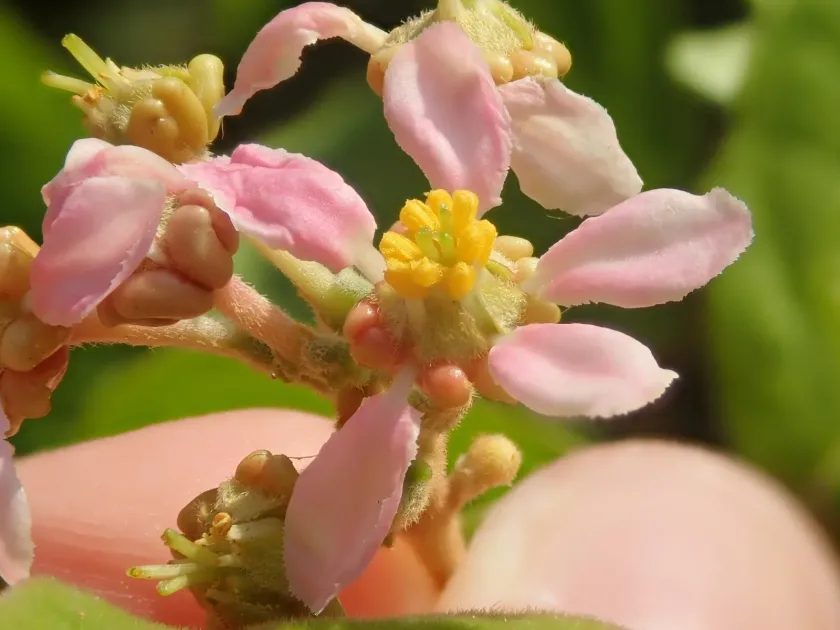
Description
Growing requirements
Mascagnia cordifolia is a robust, woody vine belonging to the Malpighiaceae family. This species is native to the tropical regions of Central and South America, where it thrives in warm, humid conditions as an understory climber or canopy-seeking plant.
The plant requires deep, well-draining soil rich in organic matter. While it is adaptable to various soil types, it performs best in slightly acidic to neutral environments. Ensuring adequate drainage is critical, as waterlogging is the primary cause of root failure in this species.
Temperature sensitivity is a key factor in its cultivation; Mascagnia cordifolia cannot tolerate freezing temperatures. It requires a tropical climate with consistent warmth and protection from strong, cold winds that can damage the delicate foliage and structural integrity of the vine.
In terms of light, the plant prefers bright, indirect light but can tolerate partial shade. Full exposure to intense tropical sun may cause leaf scorching unless the plant is fully established and has a high supply of moisture available to its roots.
Agrotechnical management involves the provision of vertical support structures. Because the vine grows rapidly, regular pruning is necessary to maintain the desired size and prevent it from becoming unmanageable or damaging its support structure.
Main diseases and pests
Fungal pathogens such as leaf spot and powdery mildew are common in Mascagnia cordifolia if humidity levels remain consistently high without adequate airflow. These conditions promote spore germination on the leaf surfaces, leading to aesthetic and physiological damage.
Sucking insects, particularly scale insects and spider mites, are frequent pests. These insects pierce the plant tissues to feed on sap, which can stunt new growth and cause yellowing or premature leaf drop if left untreated.
Root rot caused by Phytophthora or Pythium species is a significant threat associated with poor drainage or overwatering. Once established in the root zone, these pathogens can cause rapid systemic wilting and eventual death of the vine.
Effective pest management relies on early detection through regular monitoring of the underside of the leaves and stems. Keeping the planting area clean of fallen debris also helps reduce the inoculum density of fungal pathogens.
In cases of heavy infestation or severe infection, integrated pest management strategies are recommended, including the strategic use of fungicides or horticultural oils, applied in compliance with local agricultural safety standards.