
Beccariophoenix madagascariensis
Beccariophoenix madagascariensis Jum. & H. Perrier
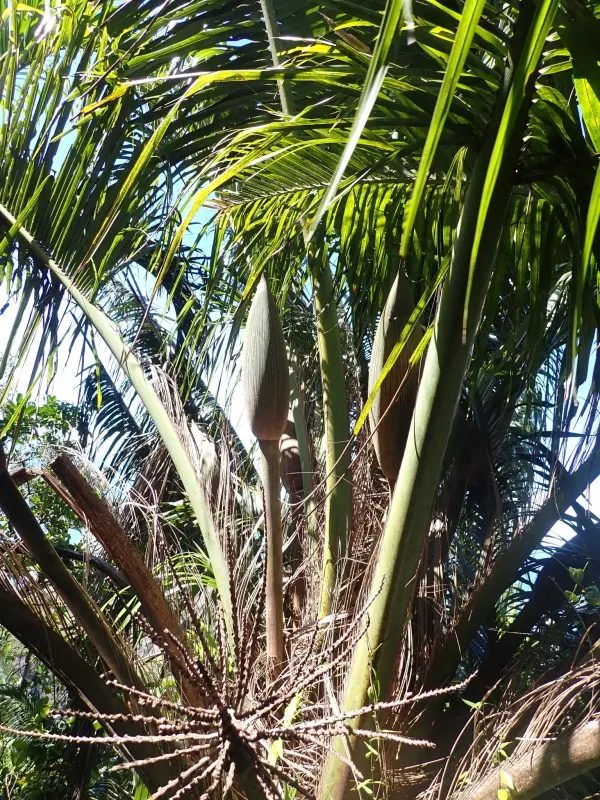
Description
Sowing dates
Propagation of Beccariophoenix madagascariensis is primarily achieved through seeds. Using fresh, high-quality seeds is critical for achieving a successful germination rate.
The seeds require a consistently warm environment, ideally between 25 and 30 degrees Celsius, to trigger the germination process. A heated propagation bench is highly recommended.
A loose, well-draining, and sterile germination medium should be used to prevent damping-off diseases. The seeds should be planted at a shallow depth with consistent moisture.
Patience is essential, as the germination period can be quite variable and may take several weeks to several months depending on the age and quality of the seed stock.
Once the seedlings develop their first true leaves, they should be carefully transplanted into larger containers with a nutrient-rich potting mix suitable for tropical palms.
Growing requirements
Beccariophoenix madagascariensis is a distinguished member of the Arecaceae family. It is a stunning, slow-growing palm native to the humid forests of Madagascar.
This species thrives in tropical climates characterized by high humidity and warm temperatures. It lacks significant cold tolerance and should be protected from freezing conditions.
The soil requirements include a rich, humus-based substrate that provides excellent drainage. Despite its need for moisture, the palm is susceptible to root rot if waterlogged.
In terms of light exposure, this palm prefers bright, filtered sunlight. While mature specimens can tolerate full sun, young plants must be protected from intense, direct solar radiation.
Regular fertilization with a balanced, slow-release fertilizer is beneficial during the growing season to ensure healthy frond development and overall vigor.
Main diseases and pests
Mealybugs and spider mites are the most common pests encountered. These insects are particularly problematic in dry environments where the palm lacks sufficient air circulation.
Root rot caused by Phytophthora or Pythium species is a common threat, usually triggered by poor drainage or overwatering. Maintaining the correct moisture balance is vital for plant health.
Fungal leaf spot diseases may develop if the canopy remains wet for extended periods in environments with poor airflow. Fungicidal treatments may be necessary in extreme cases.
Nutrient deficiencies, specifically magnesium or potassium, can manifest as chlorosis or necrosis on the leaf tips, indicating a need for refined fertilizer applications.
Regular monitoring and integrated pest management practices are recommended to detect and treat infestations before they compromise the structural integrity of the palm.