
Maieta guianensis
Maieta guianensis
Description
Growing requirements
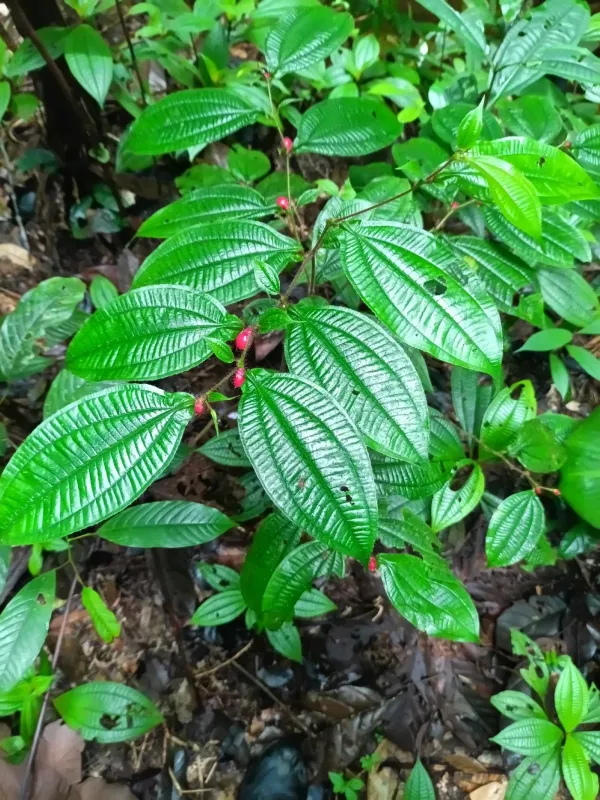
Maieta guianensis is an evergreen shrub belonging to the Melastomataceae family. It is natively found in the dense understory of tropical rainforests across Central and South America, thriving in low-light conditions.
The species is botanically renowned for its myrmecophytic traits, providing specialized structures on its leaves to house symbiotic ants. This relationship serves as a biological defense mechanism against various herbivores and pathogens.
Cultivation requirements necessitate a highly stable environment with temperatures between 22 and 28 degrees Celsius. The soil must be rich in organic matter, acidic, and maintain excellent drainage to prevent root rot.
Relative humidity levels are the most critical factor for this plant, which should be kept consistently above 80 percent. In controlled environments, misting systems or closed terrariums are often used to replicate the native rainforest climate.
Currently, Maieta guianensis is not a commercially cultivated agricultural crop. Its value remains primarily scientific and ornamental, serving as a model for studying plant-insect symbiosis and tropical forest biodiversity.
Main diseases and pests
When grown outside of its natural habitat, the plant is susceptible to spider mites and scale insects, especially if the air humidity drops significantly. Early detection and treatment are essential for maintaining plant health.
Root rot caused by pathogenic fungi is the primary threat to the plant's survival. This condition is almost always associated with poor drainage, waterlogging, or the use of heavy, non-porous soil media.