
Magnistipula butayei
Magnistipula butayei
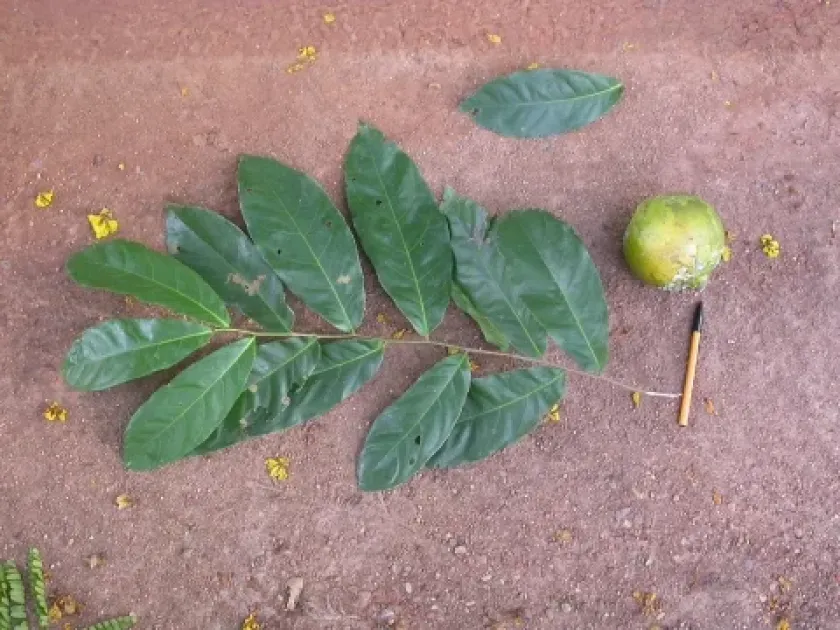
Description
Sowing dates
Magnistipula butayei belongs to the Chrysobalanaceae family, native to tropical environments. Propagation is typically achieved through seeds, which require specific conditions related to the onset of the rainy season to trigger germination.
In nursery settings, seeds must be planted in well-draining, nutrient-rich substrates. Proper moisture management during the germination phase is critical, as seeds are susceptible to fungal issues if waterlogged.
The optimal depth for planting is roughly twice the diameter of the seed. This allows for sufficient coverage while ensuring the sprout has enough energy to reach the surface without unnecessary delay.
Maintaining a consistent tropical temperature range, ideally between 25 and 30 degrees Celsius, is essential for successful germination. Fluctuations outside this range often result in poor seedling performance.
Young plants should be hardened off before being transplanted to their final location. This transition helps the seedlings adapt to natural light conditions and prevents shock during the initial establishment period.
Growing requirements
The plant thrives in regions with abundant rainfall, provided that the soil offers excellent drainage. Waterlogged soil is detrimental to root health and can lead to immediate decline in plant vigor.
Magnistipula butayei requires high levels of solar radiation to maintain active photosynthesis. Shaded areas significantly inhibit development and can result in sparse foliage and reduced reproductive capacity.
Soil pH levels should ideally be in the slightly acidic to neutral range. Incorporating organic matter during the initial planting stages is recommended to provide essential nutrients and improve soil structure.
The tree is sensitive to strong, desiccating winds. In open areas, it is advisable to plant windbreaks to protect the canopy from mechanical damage and to maintain a more stable microclimate around the plant.
High relative humidity is necessary for consistent growth. During periods of drought, supplemental irrigation is required to maintain leaf turgidity and ensure the plant remains productive throughout its lifecycle.
Yield
Yield development in Magnistipula butayei is a long-term process, as the species allocates significant resources to structural growth in its early years. Fruit production typically stabilizes as the tree matures.
Overall productivity varies based on site-specific factors such as soil depth and the presence of natural pollinators. Intercropping with plants that attract pollinators can enhance fruit set ratios.
Regular maintenance, including strategic pruning, helps balance vegetative growth with reproductive output. By removing unproductive wood, the tree can concentrate energy on bearing more substantial fruits.
Age is a major factor in yield potential. Older, established trees that have adapted well to their local environment typically provide more consistent and higher quality yields than younger specimens.
Monitoring the plant during the flowering season is crucial for estimating potential harvest volumes. Agricultural practices should be adjusted according to the intensity of the bloom to maximize outcomes.
Main diseases and pests
Fungal pathogens are the most significant threat in the humid conditions favored by this species. These infections often target the leaves and stems, requiring proactive management to ensure plant health.
Tropical insect pests, including various borers and defoliating caterpillars, can cause significant stress. Integrated pest management, focusing on biological controls, is the preferred strategy for protection.
Weed competition is particularly intense during the seedling stage. Mulching around the base of the plant is an effective method to suppress weeds while simultaneously retaining moisture in the topsoil layer.
Nutrient deficiencies, indicated by leaf chlorosis, can weaken the plant's immune system, making it more prone to secondary infections. Regular soil analysis helps in providing precise fertilization programs.
Preventative measures, such as maintaining proper air circulation through pruning, are essential to minimize the spread of diseases. A proactive approach to plant hygiene remains the best form of protection.
Harvesting
Harvesting is performed manually to protect the delicate skin and flesh of the fruits. Care must be taken to harvest only when the fruit reaches the appropriate stage of maturity for the intended use.
Timing is a critical agronomic challenge. Fruits harvested too early lack flavor, while those left on the tree too long are prone to rapid spoilage or damage from opportunistic wildlife and insects.
Post-harvest handling involves cleaning and sorting the fruits immediately. Any damaged items should be discarded quickly to prevent the spread of rot to the rest of the batch in storage.
Proper storage requires cool, well-ventilated conditions. Exposure to high heat after harvesting can accelerate deterioration, significantly reducing the shelf life and quality of the final product.
Transportation to processing facilities should be as efficient as possible. Minimizing the time between the harvest and the end-use is the best way to ensure maximum quality and economic value.