
Macropodium pterospermum
Macropodium pterospermum
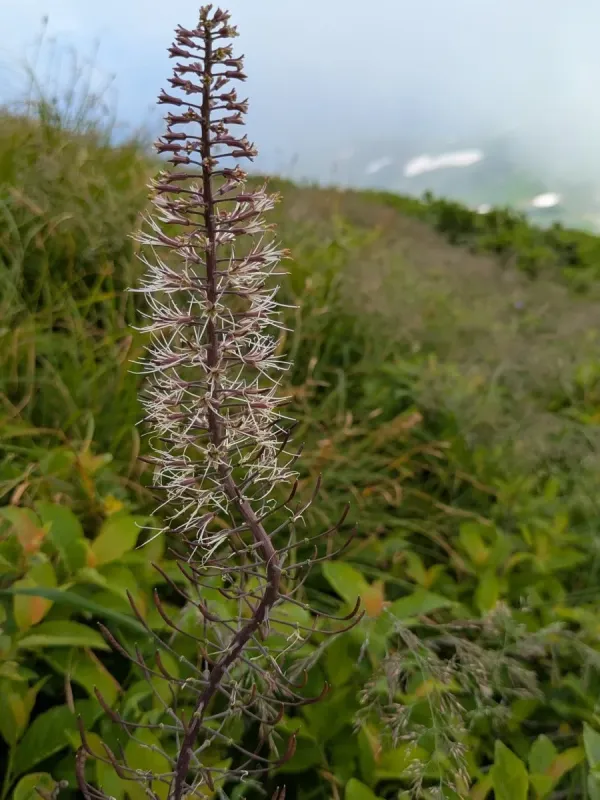
Description
Sowing dates
Macropodium pterospermum is a distinct perennial herbaceous plant belonging to the Brassicaceae family. Its natural habitat is typically found in the forested regions of Siberia and the Russian Far East, where it thrives under forest canopy, suggesting specific environmental requirements for successful cultivation.
The seeds of this species possess deep physiological dormancy, which necessitates a stratification period to ensure successful germination. For agricultural purposes, sowing seeds in late autumn is the most recommended practice, as it allows the seeds to undergo natural winter stratification in the soil.
The seeding depth should be shallow, typically ranging from 1 to 1.5 centimeters. The soil must be fine-textured, well-draining, and free of debris to allow the delicate radicles to penetrate the soil surface during the germination process in early spring.
Growth during the first year is primarily vegetative, focusing on the development of a strong basal rosette of leaves. Because the growth rate is relatively slow in the initial stages, weed control is of paramount importance to prevent competition for essential nutrients and sunlight.
Once established, the plants exhibit excellent winter hardiness. They are well-adapted to surviving the severe winter temperatures typical of their native range, allowing them to emerge vigorously as soon as the soil begins to thaw in the spring.
Growing requirements
Macropodium pterospermum requires fertile, humus-rich, and moisture-retentive soils to flourish. The ideal soil profile is a loam or sandy loam with a neutral pH level, which ensures proper root development and nutrient availability throughout the vegetative cycle.
As a forest-floor plant, it has a high requirement for light management. It performs best in partial to full shade, where the intensity of direct sunlight is filtered. Exposure to excessive direct sun, especially in hot afternoons, can cause leaf scorch and dehydration.
Consistent soil moisture is essential for this species. During the active growth phases in late spring and early summer, the soil should be kept uniformly moist but not waterlogged. Stagnant water can induce crown and root rot, which is a major physiological threat to the plant.
Minimal fertilisation is often sufficient if the soil is rich in organic matter. An annual application of well-composted organic material in the early spring can replenish nutrients and help maintain the soil structure required for healthy growth.
Air circulation and mulching are critical maintenance practices. Using natural leaf mulch helps retain soil moisture and stabilizes temperature, while sufficient spacing between individual plants ensures that air can flow freely, reducing the risks associated with excessive humidity.
Main diseases and pests
The plant is susceptible to common pests associated with the Brassicaceae family, most notably cruciferous flea beetles. These small insects can rapidly defoliate young seedlings, making early monitoring and timely intervention crucial for plant survival in the early stages.
Fungal pathogens such as downy mildew and various root-rotting fungi are the most prevalent diseases, particularly in environments with poor air circulation or over-saturation of the soil. Improving drainage and spacing can effectively mitigate these risks.
Gastropods, including slugs and snails, find the leaves of this species quite attractive, especially during rainy periods. Implementing non-chemical barriers or using biological controls is recommended to minimize damage without compromising the ecosystem balance.
Crop rotation should be strictly implemented to prevent the buildup of soil-borne pathogens and pests specific to the Brassicaceae family. It is advisable to avoid planting this species in areas previously occupied by related crops like cabbage, mustard, or radish for at least three seasons.
When chemical interventions are necessary, one must select products that are registered for use on leafy green crops. Always adhere to safety guidelines and pre-harvest intervals, particularly if the plant is intended for medicinal or culinary use.