
Macrolenes echinulata
Macrolenes echinulata
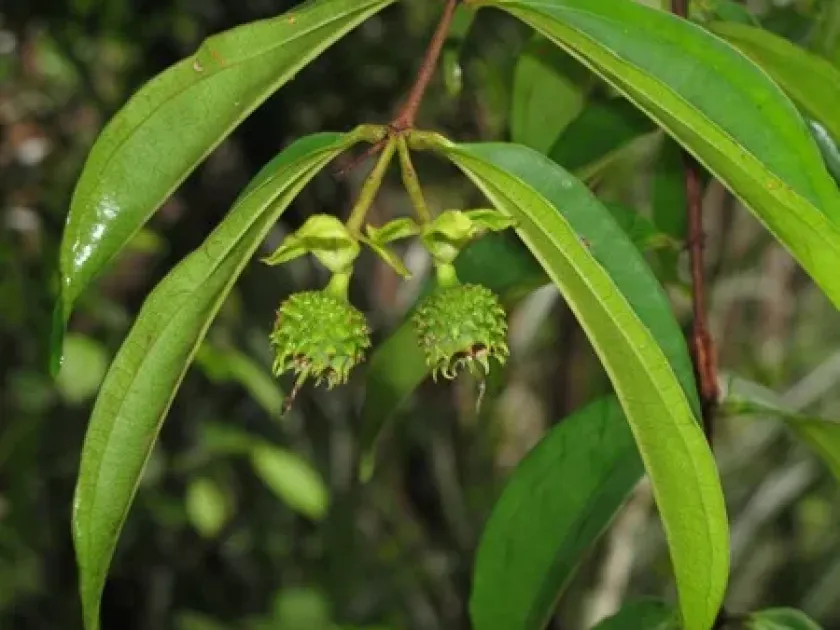
Description
Growing requirements
Macrolenes echinulata is a member of the Melastomataceae family, known for its distinctive botanical features. This plant thrives in tropical climates where humidity levels remain high throughout the year.
The native distribution covers forest regions where the soil is rich in organic matter and acidic. Successful cultivation requires mimicking these environment-specific conditions to ensure optimal growth.
For greenhouse or container production, it is essential to provide well-drained substrate mixed with peat or perlite to improve aeration. Good drainage is vital to prevent root oxygen deprivation.
The plant requires filtered, indirect sunlight. Direct exposure to intense rays can damage the foliage, leading to necrosis of the leaf tissues and overall plant health decline.
Regular fertilization with micronutrients is necessary for lush growth. It is important to monitor pH levels, as extreme alkalinity can block the uptake of essential elements like iron.
Main diseases and pests
Mealybugs are a common pest that attacks Macrolenes echinulata, hiding in the junctions of stems and leaves. Their presence can lead to secondary mold growth on the excreted honeydew.
Root rot caused by Phytophthora or Pythium species is a significant risk in poorly managed agricultural settings. Ensuring proper irrigation cycles is the best prevention method.
Aphids tend to colonize the tender tips of the plant. Integrated pest management, including the introduction of natural predators like ladybugs, can be highly effective in large-scale setups.
Fungal leaf spot diseases require swift intervention. Removing infected leaves and applying copper-based fungicides can stop the spread of spores within the growing area.
Preventive maintenance includes consistent cleaning of the growing environment. Removing debris and weeds prevents the habitat for pests and potential disease reservoirs.