
Maclurodendron porteri
Maclurodendron porteri
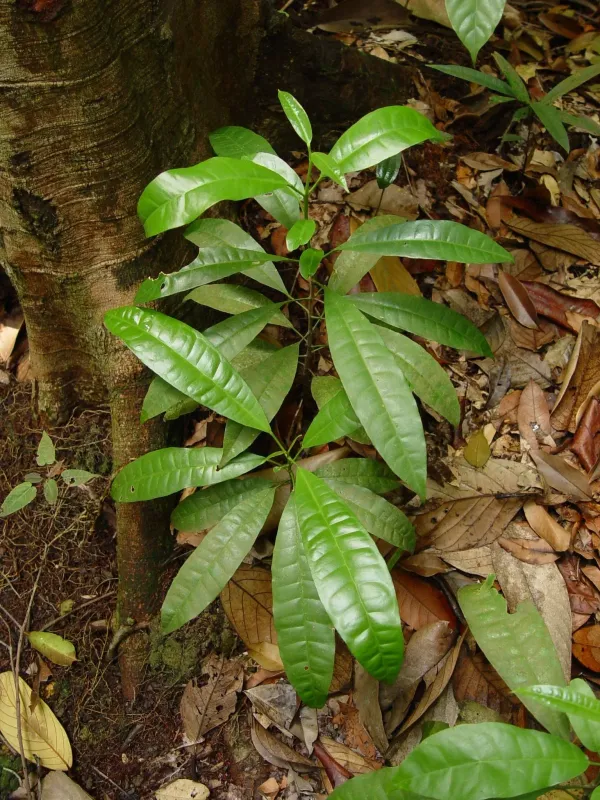
Description
Growing requirements
Maclurodendron porteri is a unique woody plant belonging to the Rutaceae family, native to the tropical rainforests of Southeast Asia. This species is recognized for its specialized niche within the local ecosystem, often found in dense forest environments.
The plant demands a strictly tropical climate with consistent temperatures throughout the year. It thrives in fertile, well-draining soils that are rich in humus, reflecting the natural decomposition processes occurring on the forest floor.
Light requirements for this species are moderate, as it naturally grows in the shaded understory of the canopy. Exposure to intense, direct sunlight is detrimental to its physiological health, often causing significant stress to the foliage.
Maintaining high levels of air humidity is essential for the survival of Maclurodendron porteri, requiring constant environmental monitoring in non-native cultivation settings. Proper soil aeration is equally vital to prevent root rot in these high-moisture conditions.
A specific management approach is required for its cultivation, emphasizing the stability of the growing environment. Agricultural practices for this species are largely experimental, focusing on replicating natural forest floor conditions to encourage healthy growth.
Yield
The economic utility of Maclurodendron porteri remains largely academic and scientific. It is not currently cultivated for mass-market agricultural production, as its populations are largely confined to protected or wild habitats.
Research focus involves the phytochemical profile of the Rutaceae family, of which this species is a representative. Scientists study these trees to extract complex organic compounds that may have potential in medicinal or industrial applications.
There are no established harvest protocols or yield data for this tree. Because of its conservation status, any extraction of plant material is strictly controlled and limited to scientific sampling for laboratory analysis.
In a controlled environment, such as a specialized botanical nursery, the yield is measured in successful propagation rates rather than traditional agricultural metrics. Cultivation efforts are primarily directed toward ex situ conservation of the species.
Future exploration into this species may involve studying its resistance to specific regional pests. Understanding its ecological role helps in maintaining the biodiversity of the Southeast Asian tropical forests it originates from.