
Lysidice rhodostegia
Lysidice rhodostegia
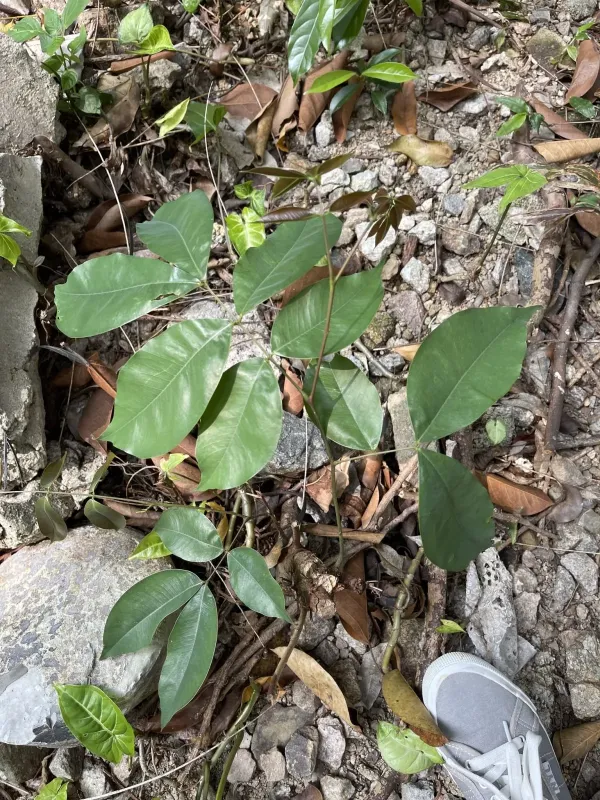
Description
Growing requirements
Lysidice rhodostegia is a prominent tree species belonging to the Fabaceae family. It is recognized for its spectacular floral displays and ability to provide significant shade, making it a valuable addition to various landscapes in warm climates.
The native distribution area of this species encompasses the tropical and subtropical regions of Southern China and Southeast Asia. It thrives in humid environments where the climate provides stable temperatures throughout the year.
The culture requires well-drained, fertile soil to ensure optimal health and growth. It is intolerant of waterlogged conditions, which can lead to rapid decay of the root system, so proper site selection with adequate drainage is essential for cultivation.
Abundant sunlight is a primary requirement for the healthy development of Lysidice rhodostegia. Sufficient light intensity promotes vigorous growth and enhances the density of flowers, contributing to the overall aesthetic appeal of the canopy.
In terms of economic and functional use, the species is widely utilized in urban planning, park development, and specialized forestry. Its wood quality and ornamental characteristics make it a preferred choice for large-scale landscaping projects.
Main diseases and pests
The most common health issues for this tree include various fungal pathogens that target the vascular system during periods of excessive soil moisture. Proper drainage management is the most effective preventative measure against these infections.
Insect pests, such as aphids and leaf-eating beetles, may colonize the foliage during the active growing season. Integrated pest management, involving monitoring and targeted application of environmentally safe insecticides, is recommended to preserve tree vitality.